November 13, 2026
In today's world, where our homes are filled with electrical gadgets and appliances, having a reliable power source is more than just a convenience; it's a necessity. Many households are turning to home generators as a solution to frequent power outages and unreliable electrical service. This article delves into why every home should consider investing in a reliable generator, covering aspects from types and features to benefits and considerations.
Key Features to Look for in a Reliable Generator
Power Output and Capacity
When selecting a generator, considering power output and capacity is essential to ensure it meets your home's energy needs. Various factors, including the size of a home and the number of appliances requiring power during an outage, influence the necessary capacity. The generator's wattage rating, divided into running watts and starting watts, helps determine whether it can handle the load. Prioritizing units with a wattage slightly over your needs ensures flexibility and avoids overloading. Matching the generator’s capacity to your requirements ensures efficiency and prevents potential damage to both the generator and connected devices.
Fuel Efficiency and Type
Fuel efficiency is a critical factor, as it directly influences how long a generator can run and how costly it will be to fuel over time. Different generators use various types of fuel, with gasoline, diesel, propane, and natural gas among the common options. An efficient generator maximizes energy use from each gallon or unit of fuel, making it more cost-effective over long terms. Additionally, considering the availability and storage options for each fuel type is advisable, particularly in emergency scenarios. Choosing a fuel-efficient generator aids in reducing operational costs and extends runtime during outages.
Noise Levels
The noise level of a generator is an often-overlooked aspect that significantly impacts both user comfort and community relations. Generators measured in decibels (dB) should ideally operate at a noise level that is tolerable while ensuring effective performance; many models balance power with quiet functionality. Super quiet inverter generators, for instance, can operate at 50-60 dB, equivalent to the conversation level, making them suitable for densely populated areas. Manufacturers often include noise reduction technologies, including soundproof enclosures or mufflers, in their design. Selecting a generator that manages noise effectively ensures comfort for the homeowner and maintains good neighborly relations.
Ease of Use and Maintenance
A user-friendly generator with straightforward controls simplifies operation, especially during emergencies when time is of the essence. Many modern generators offer features like push-button start, automatic switching, and digital displays to streamline use. Maintenance is equally crucial, ensuring that the generator remains reliable throughout its service life. Regular servicing, including oil changes and parts inspections, extends functionality and helps avoid unexpected failures. According to This Old House, a well-maintained generator can last 15 years or more, providing peace of mind through numerous power outages and securing value from your investment.
Benefits of Owning a Reliable Generator
Ensuring Uninterrupted Power Supply
The primary advantage of owning a reliable generator is ensuring a continuous power supply during outages, effectively bridging the gap when the main power grid fails. This capability provides immediate advantages to homeowners, letting them maintain daily routines, power essential appliances, and stay connected. With a standby generator, especially, a seamless transition when blackouts occur offers true convenience, often without a homeowner needing to lift a finger. For remote workers, a consistent power supply means uninterrupted productivity and security for critical data. Homeowners can maintain comfort and safety regardless of the conditions affecting main power access.
Protection of Home Appliances
Reliable generators protect valuable home appliances by providing consistent and stable electricity, preventing fluctuations that can damage electronics. Voltage spikes and surges following a return of power post-outage pose significant risks to sensitive equipment. Generators with built-in power management systems ensure that energy delivered to appliances is smooth and regulated. This prevention of electrical mishaps preserves the lifespan of expensive devices like computers, televisions, and HVAC systems. Investing in a reliable generator thus equates to protecting and extending the life expectancy of your household's technological investments.
Cost Savings in the Long Run
Although generators require initial investment and periodic maintenance, they can result in considerable cost savings over time. Uninterrupted business operations can lead to reduced potential income losses for those working from home or running home-based enterprises. In addition, avoiding spoilage of perishable goods and maintaining environmental controls helps contain unnecessary expenses. Reliable generators typically require less frequent repairs and part replacements, maximizing their cost-effectiveness. The strategic value provided by a durable generator eventually outweighs its initial costs, leading to meaningful financial benefits.
Increased Home Resale Value
Installing a well-maintained generator offers a competitive edge if you choose to sell your property, as buyers are increasingly attracted to homes with backup power solutions. While it’s not always possible to predict a property’s value increase, features like standby generators that integrate seamlessly with a home can make a difference. Prospective buyers often consider the assurance of power continuity as a key selling point, reflecting modern lifestyle demands. Besides safety and reliability, a generator positions a home as well-prepared for unforeseen circumstances, appealing to cautious and convenience-oriented buyers. This consideration can ultimately enhance a home's market appeal and selling price.
Installation and Maintenance Considerations
Choosing the Right Installation Location
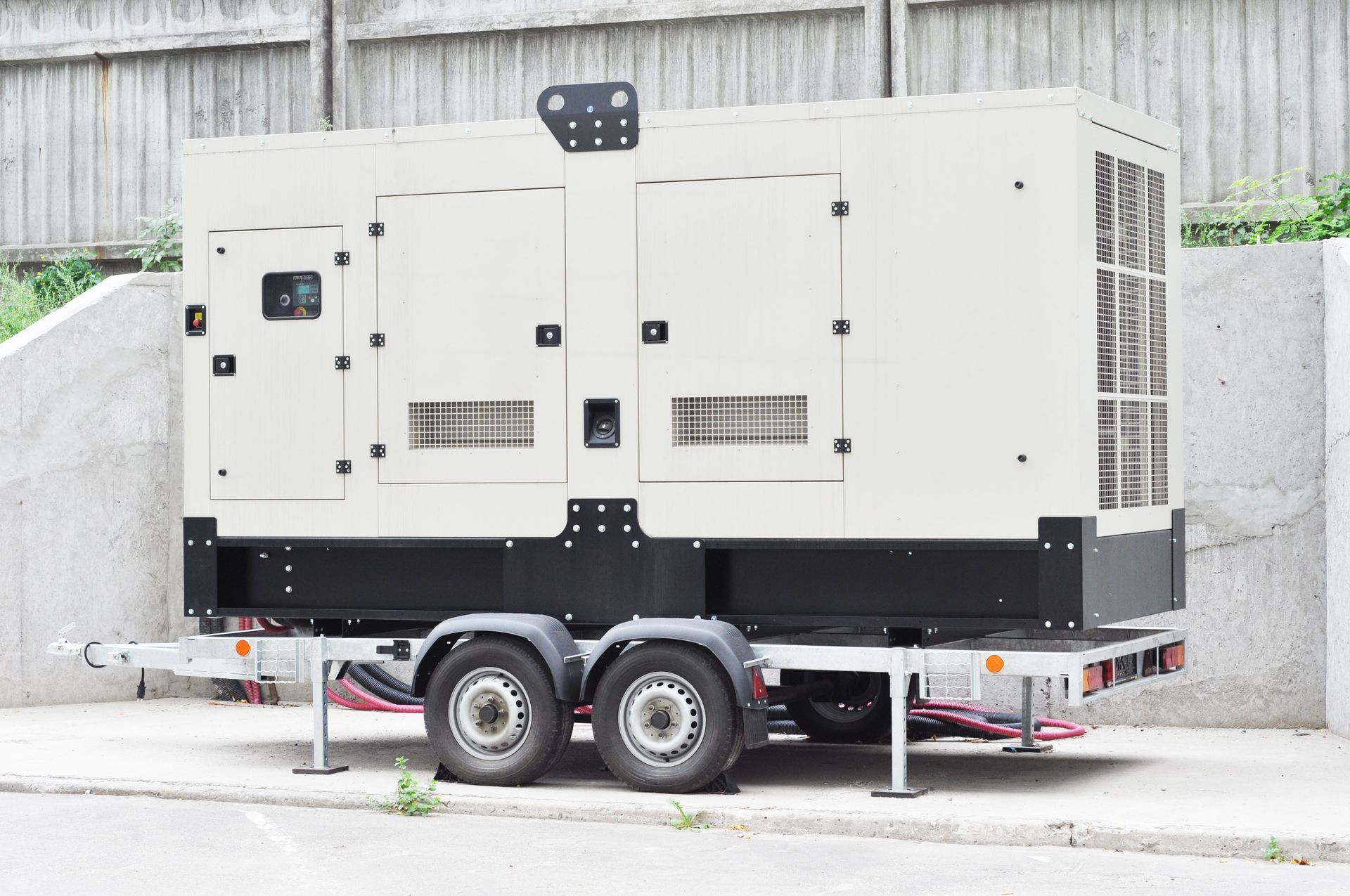
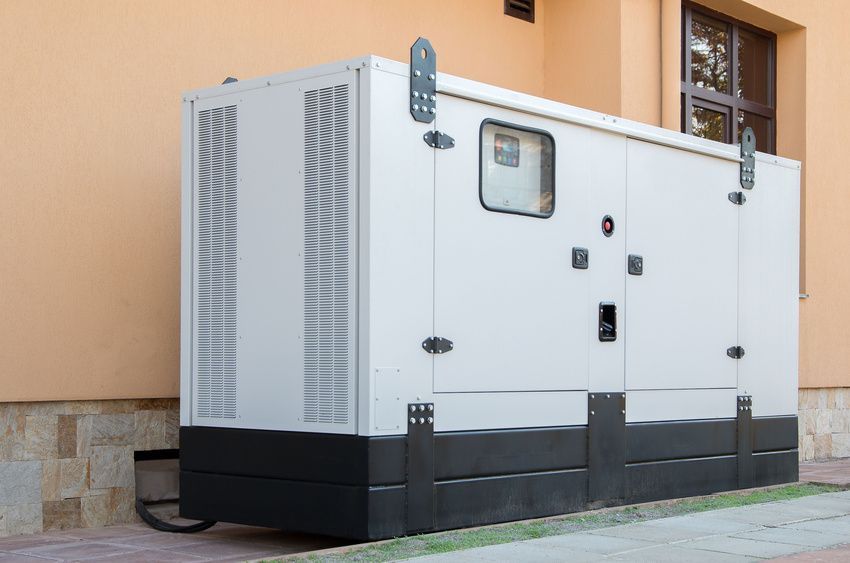
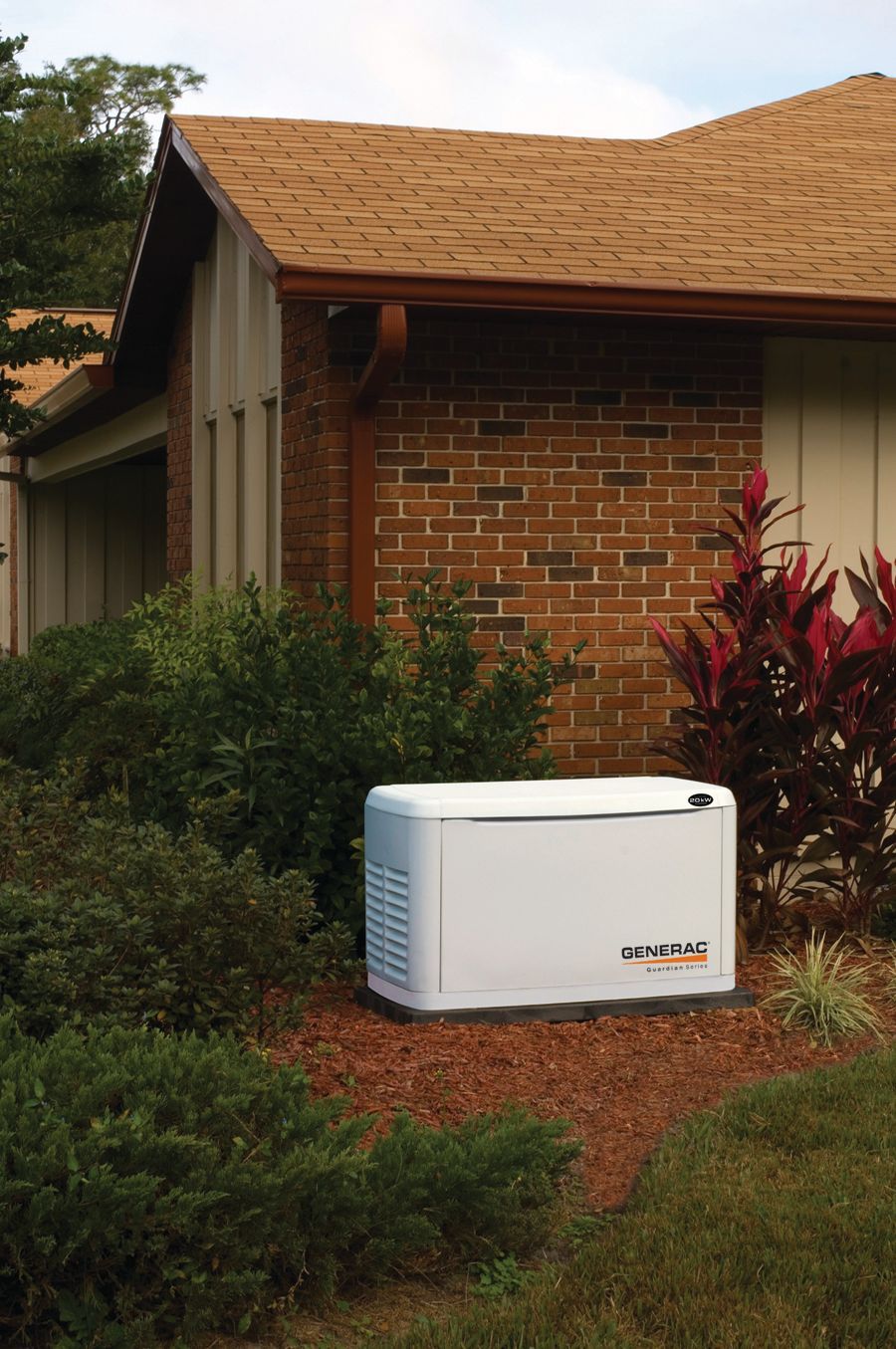
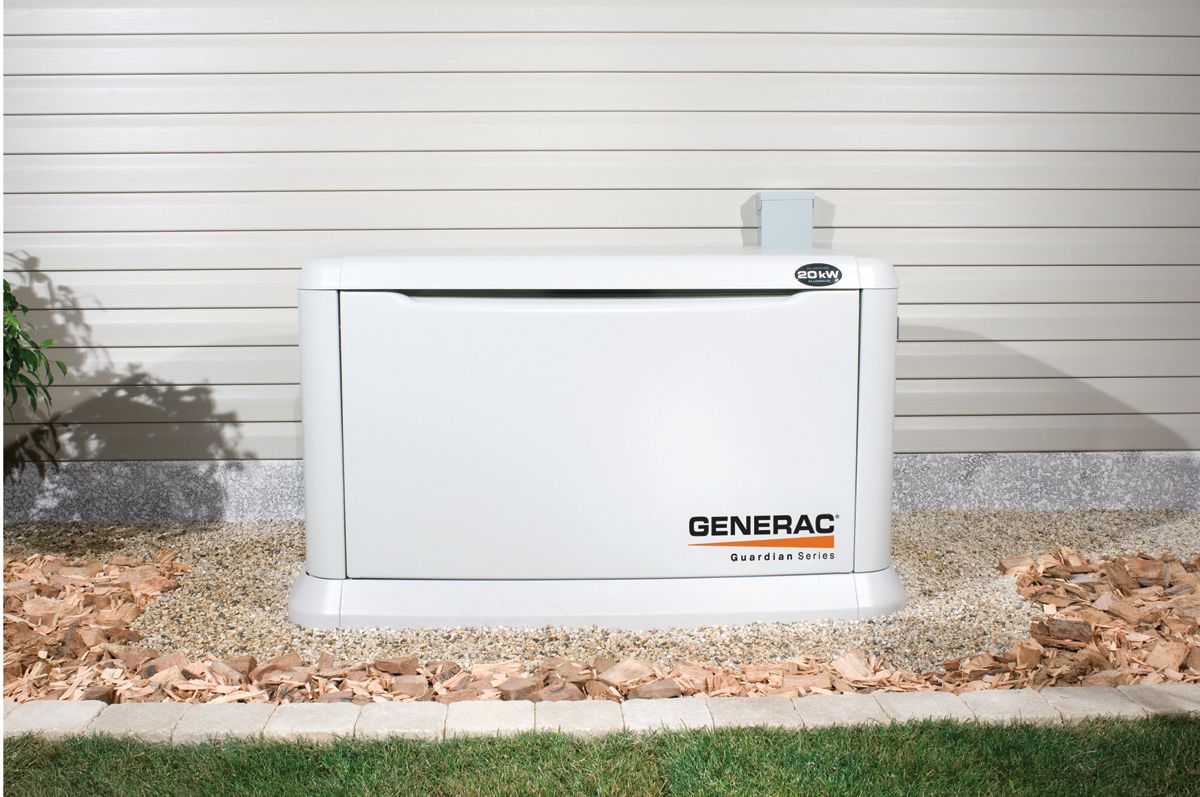
The placement of a generator is pivotal both to its operational efficiency and safety. Generators should be situated outside and away from windows, doors, and ventilation systems to minimize exposure to carbon monoxide. Proper spatial clearance ensures adequate airflow, preventing overheating and facilitating maintenance access. Additionally, local regulations may dictate specific installation criteria to adhere to building codes and optimize performance. Consulting with professionals during the setup stage ensures compliance and optimal functioning, safeguarding both the unit and household inhabitants.
Regular Maintenance Schedule
Maintaining a regular service schedule is crucial to ensuring the generator remains functional and effective when needed. Regular checkups ideally include oil changes, filter replacements, and cleanings to optimize performance and extend lifespan. Seasonal inspections before peak demand periods—such as hurricane or winter storm seasons—preempt operational failures. Monitoring and timely servicing reinforce the generator's reliability, especially considering that many units can last 15 years or more with proper care. Therefore, committing to routine maintenance translates into continued protection against unexpected power disruptions.
Troubleshooting Common Issues
Understanding how to troubleshoot minor issues can prevent unnecessary service calls and mitigate interruptions. Common issues might include battery failure, which can often be addressed by checking connections or replacing the battery itself. Fuel supply issues, such as blocked fuel lines or empty tanks, are another potential troubleshooting area, requiring just basic inspection and restocking. Additionally, issues like low oil levels or clogged air filters can typically be resolved through corrective maintenance practices. Knowledge empowers homeowners to tackle basic generator challenges, ensuring continued power supply reliability.
Long-Term Reliability and Service
Ensuring long-term reliability of a generator involves consistent care, modernization, and possibly integration with new technologies. As equipment ages, partnering with qualified service professionals for periodic updates and inspections ensures ongoing performance. Adoption of improved parts or fuel options that emerge over time can further extend service life and optimize functionality. Since, according to This Old House, a well-maintained generator can last at least 15 years, if not longer, leveraging technology and partnering with experts contributes broadly to life extension. Long-term planning safeguards both the initial investment and the convenience it supports.
Beyond the immediate reassurance of seamless electricity during a blackout, a well-chosen generator yields tangible long-term benefits, from safeguarding sensitive household investments to enhancing property value on the real estate market. When paired with deliberate placement, strict safety practices, and an ongoing maintenance routine, a dependable generator will serve your household reliably for decades. Choosing to implement a backup power solution today ensures that no matter the weather or external grid conditions tomorrow, your home remains functional, comfortable, and protected—so if you are ready to secure uninterrupted power for your property with expert installation and service, contact Electrical Services Plus Inc today to get started.