October 14, 2026
When severe weather, equipment failures, or unexpected emergencies cause prolonged power outages, a standby generator can help keep a home comfortable and functional. However, homeowners may wonder how long their generator can operate before it needs maintenance, additional fuel, or a break. The answer depends on several factors, including the generator's fuel source, capacity, maintenance schedule, and electrical load.
Understanding these factors can help homeowners prepare for extended outages and make informed decisions about backup power. Working with experienced generator installers can also help ensure a system is properly sized and configured for a household's needs. In this article, we explore how long standby generators can run, what affects their operating time, and how to maintain reliable performance during extended outages.
Understanding Standby Generator Runtime
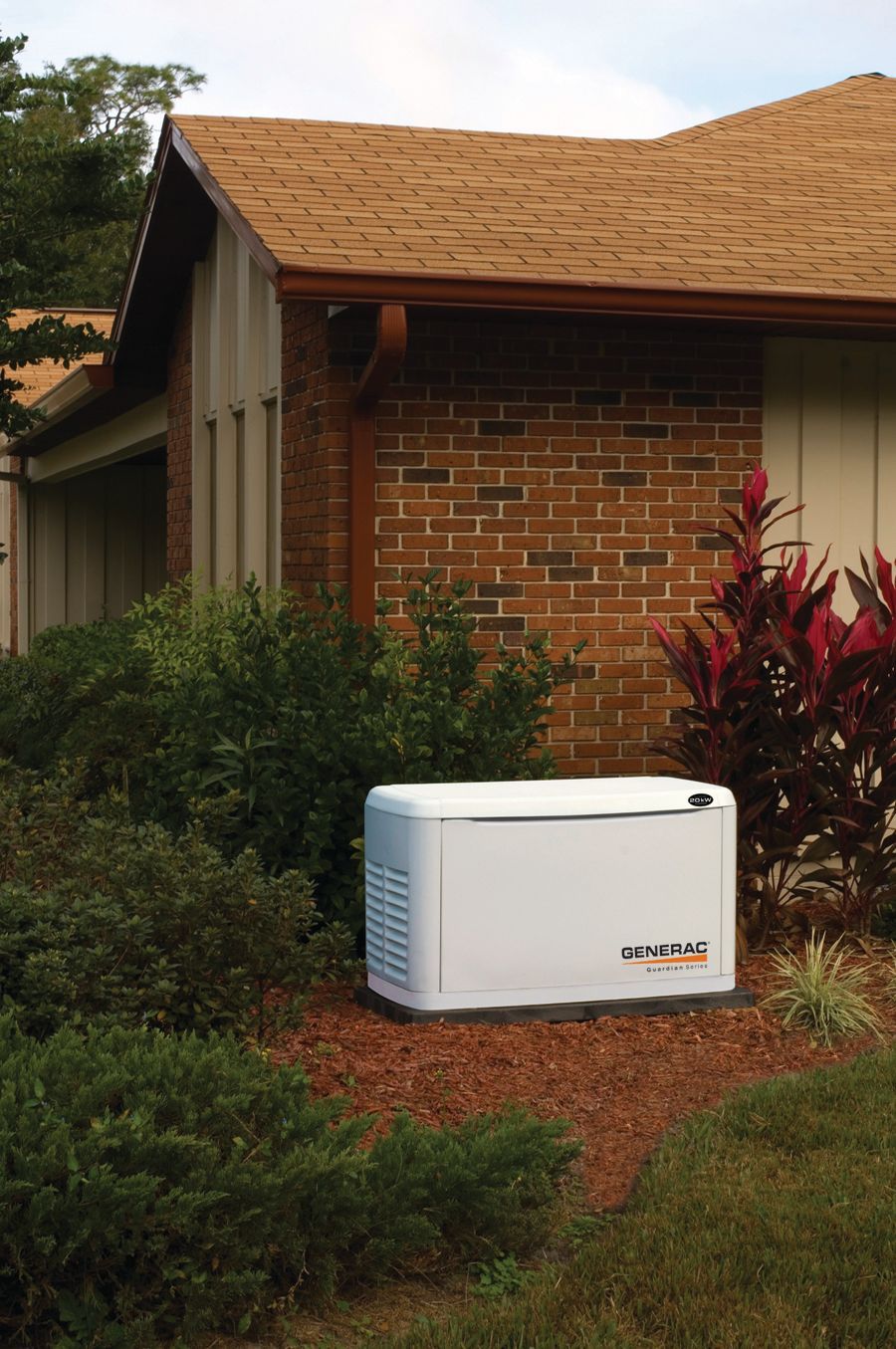
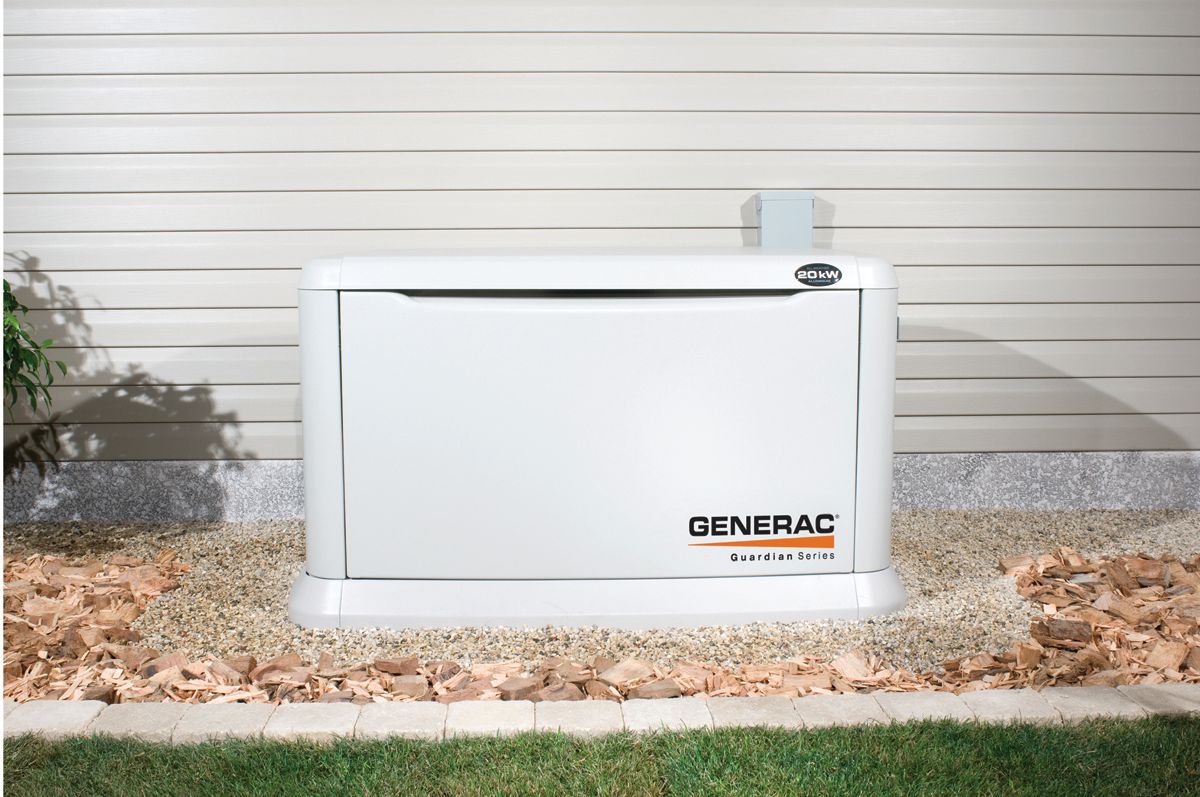
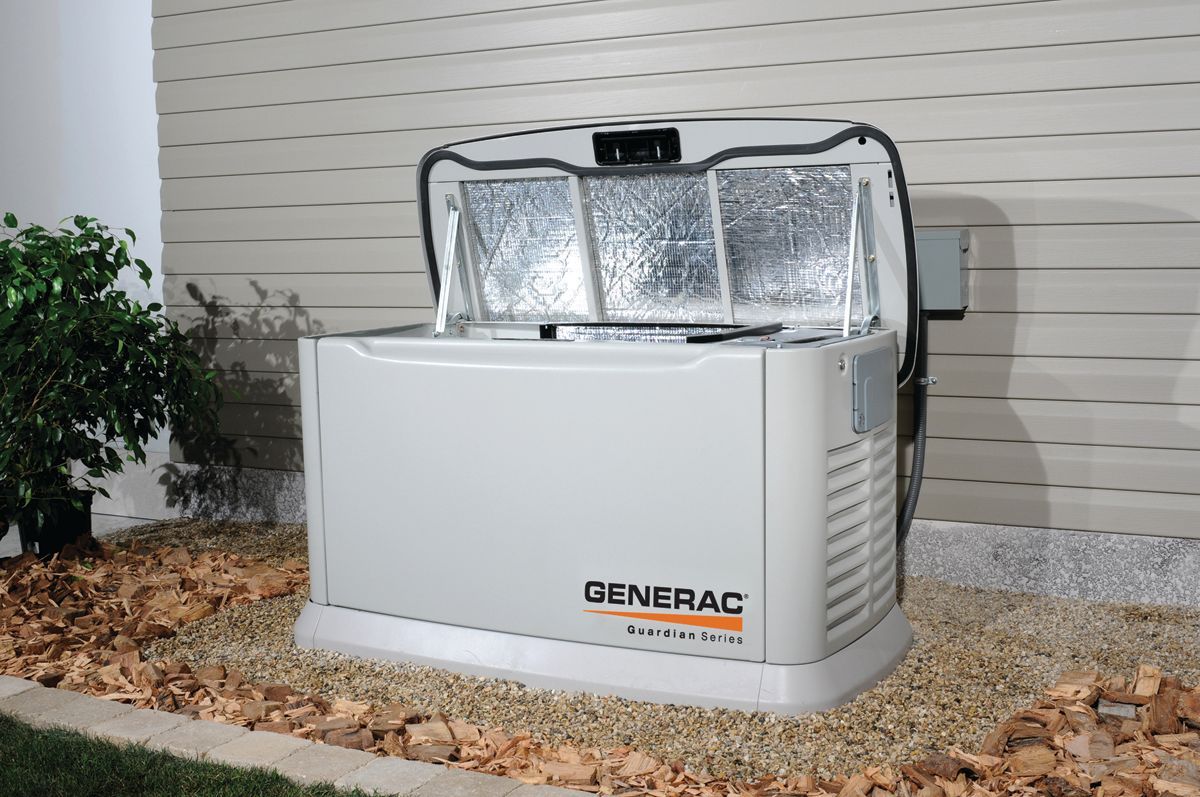
Standby generators are designed to provide backup electricity automatically when the main power supply fails. Unlike portable generators, which typically require manual setup and refueling, permanently installed standby systems connect to a home's electrical infrastructure and activate when needed.
Many residential standby generators can operate continuously for extended periods, provided they have a reliable fuel supply and receive the necessary maintenance. However, there is no universal runtime limit. Some systems can run for days or even weeks, while others may require more frequent attention depending on their design and operating conditions.
The manufacturer's recommendations are essential when determining how long a specific model can safely operate. Homeowners should review the owner's manual for guidance on continuous operation, maintenance intervals, and any recommended shutdown periods.
Exploring Different Fuel Sources
A standby generator's fuel source plays a significant role in determining how long it can run during a prolonged outage. Natural gas, liquid propane, and diesel systems each have different fuel storage and supply considerations.
Natural gas standby generators connect directly to a utility gas line. Because they typically receive fuel continuously, they can operate for extended periods without requiring homeowners to refill a storage tank. However, their runtime depends on the availability and pressure of the natural gas supply. Although gas service may remain available during some power outages, severe emergencies can disrupt utility infrastructure.
Propane-powered generators use fuel stored in an on-site tank. Their runtime depends on the tank's capacity, the generator's fuel consumption, and the electrical load. A larger propane tank can support longer operation between refills. However, homeowners must monitor fuel levels and arrange refueling before supplies run low. Generator installers can help determine an appropriate tank size based on expected power demands and outage risks.
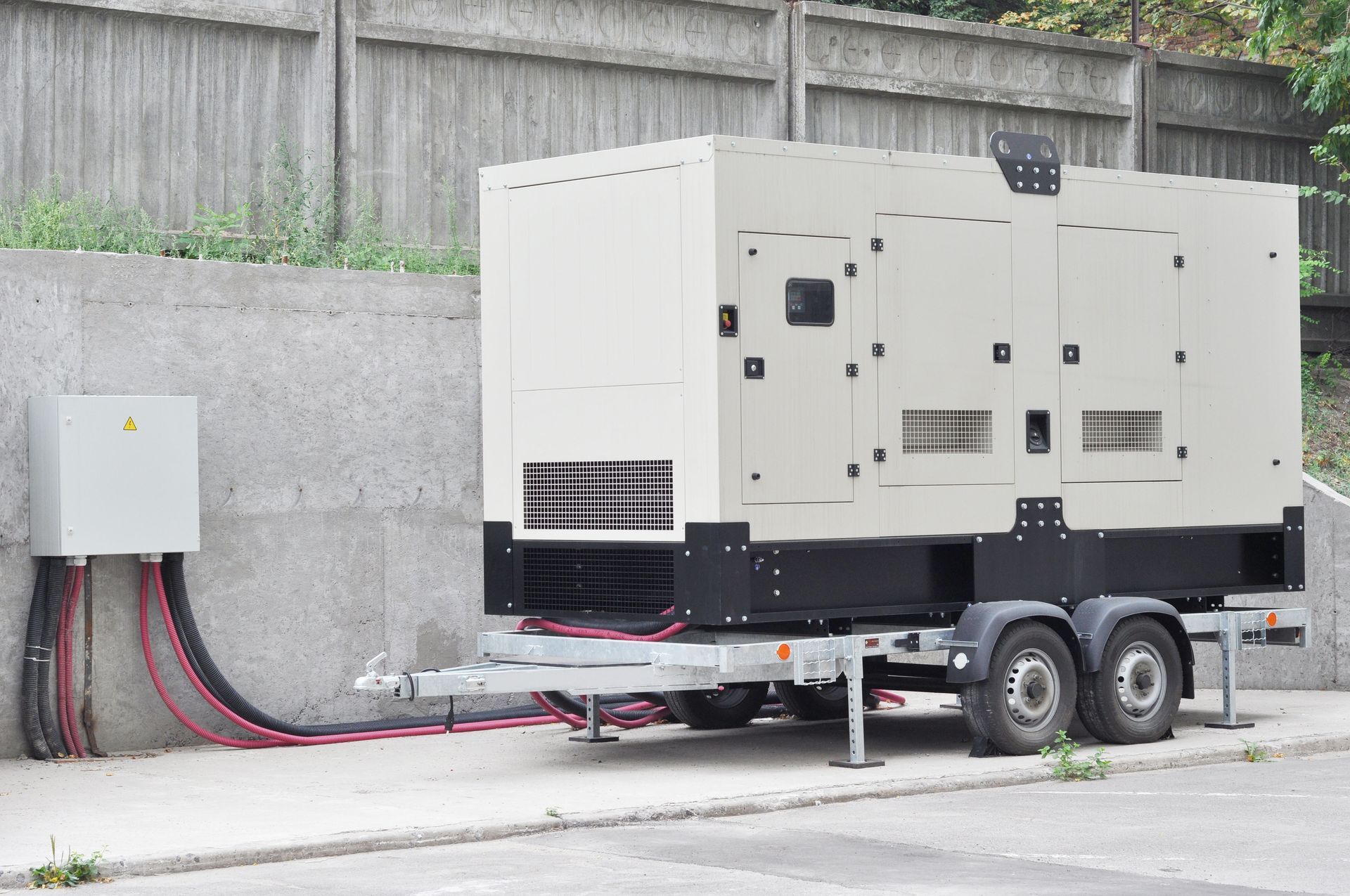
Diesel standby generators are commonly used in commercial and industrial settings, although certain residential applications also use them. These systems rely on stored fuel, making tank capacity and fuel management important considerations. Diesel generators can run for extended periods when properly maintained and supplied with fuel. However, stored diesel can degrade over time, so fuel quality and storage conditions should be monitored.
Identifying Factors That Affect Generator Runtime
Even when a standby generator has a dependable fuel source, several factors influence how long it can operate efficiently. Understanding these variables can help homeowners prepare for extended outages and reduce the risk of unexpected interruptions.
The amount of electricity a generator supplies affects its fuel consumption and operating demands. A generator powering essential appliances, such as a refrigerator, heating system, and a few lights, may use less fuel than one supporting an entire home, including air conditioning, electric ovens, and multiple high-demand appliances.
Choosing an appropriately sized system is important for balancing electrical needs and operating efficiency. Experienced generator installers can evaluate household energy requirements and recommend a system that supports essential equipment without unnecessary capacity.
Extreme temperatures can also influence generator performance during a prolonged outage. High temperatures may increase cooling demands, while freezing conditions can create additional challenges for starting and operating equipment. Severe weather can affect fuel availability, ventilation, and access for maintenance. Homeowners should follow manufacturer guidelines for installation clearances, weather protection, and safe operation.
Routine maintenance is equally important. Depending on the model, maintenance tasks may include checking oil levels, replacing filters, inspecting batteries, and examining the cooling system. Some generators have recommended service intervals based on operating hours rather than calendar dates. This means a system running continuously during an extended outage may need attention sooner than expected.
Scheduling regular inspections with qualified generator installers can help identify potential problems before they affect performance. Keeping service records and following manufacturer recommendations can also support long-term reliability.
Recognizing When a Generator Needs a Break
Not every standby generator is designed to operate continuously without interruption under all conditions. Some models are rated for continuous operation, while others have specific limitations or maintenance requirements that affect how long they can run.
Homeowners should distinguish between a generator's ability to run continuously and its recommended maintenance schedule. A unit may be capable of operating for several days but still require an oil check or other service after a certain number of hours.
During an extended outage, it is important to monitor warning lights, unusual noises, operating temperatures, and any error messages. If the generator shows signs of malfunction, follow the manufacturer's safety instructions and contact a qualified technician.
Generator installers can also explain the operating limitations of a particular model and help homeowners develop a maintenance plan for longer outages.
Extending Generator Lifespan Through Proper Care
A standby generator is a long-term investment, and consistent care can help it provide reliable service for years. According to This Old House, a properly maintained generator can have a lifespan of 15 years or longer, helping homeowners remain prepared for repeated power outages.
One important consideration is avoiding unnecessary strain on the equipment. Operating a generator within its recommended capacity can reduce excessive wear and support efficient performance. Homeowners should also avoid ignoring warning indicators or delaying scheduled maintenance.
Periodic testing is another valuable part of generator care. Many standby systems include automatic exercise cycles that allow the equipment to run briefly at scheduled intervals. These tests help verify that the generator can start and operate as expected.
Professional inspections can identify issues involving fuel connections, electrical components, battery condition, and other critical systems. Homeowners who work with experienced generator installers can establish a maintenance routine tailored to their equipment and local conditions.
Preparing for Extended Power Outages
Planning ahead can make a significant difference when a power outage lasts longer than expected. Homeowners should understand their generator's fuel requirements, operating limits, and maintenance needs before an emergency occurs.
Keeping track of fuel supplies is particularly important for systems that rely on stored propane or diesel. It is also helpful to have a plan for arranging fuel deliveries, especially when severe weather may affect local services.
Homeowners should also consider which appliances and systems are essential during an outage. Prioritizing important electrical loads can help manage fuel consumption and prevent unnecessary strain on the generator.
Before an emergency, generator installers can inspect the system, explain its expected runtime, and identify any improvements that may support longer operation. Having this information readily available can make it easier to respond confidently when the power goes out.
Whether installing a new system or improving an existing one, working with professional generator installers can help ensure reliable performance when it matters most. Contact Electrical Services Plus Inc today to evaluate your backup power needs and prepare your home for the next extended outage.