November 3, 2026
Reliable backup power can make a meaningful difference when severe weather, utility interruptions, or unexpected equipment failures affect a property. For homeowners and businesses, a properly installed generator helps maintain access to essential electrical systems when the regular power supply becomes unavailable. However, dependable performance requires more than selecting equipment with sufficient capacity. Safe installation, appropriate placement, correct electrical connections, and routine maintenance all influence how effectively a generator operates.
Professional generator installers help coordinate these important details from the initial assessment through system testing. Their work supports reliable operation while reducing risks associated with improper wiring, inadequate ventilation, incorrect sizing, and unsuitable fuel connections. By accounting for the property's electrical demands and installation conditions, qualified professionals can help ensure the equipment is suited to its intended purpose.
These considerations become especially important in areas where seasonal storms, high winds, freezing temperatures, or summer thunderstorms can disrupt utility service. Preparing a backup power system before an outage occurs gives property owners an opportunity to address installation requirements and understand how their equipment is expected to perform.
Evaluating Electrical Needs and Generator Capacity
Choosing a generator begins with understanding which electrical systems need backup power. A household may prioritize refrigeration, heating equipment, sump pumps, lighting, and selected outlets. A commercial property may need to support security systems, communications equipment, refrigeration, or other operations essential to its daily activities. Each application has different electrical requirements that affect equipment selection.
An undersized generator may struggle when multiple appliances or systems operate simultaneously. Excessive demand can cause performance problems and may contribute to shutdowns. On the other hand, choosing equipment with substantially more capacity than a property requires may increase upfront costs without providing a corresponding practical benefit.
Generator installers assess expected electrical loads and consider how equipment starts and operates. Certain appliances and motors require additional power during startup, so their demands must be accounted for when determining suitable capacity. Professionals can also discuss which circuits should receive backup power and whether a whole-property or partial-property solution better matches the owner's priorities.
A careful assessment helps establish realistic expectations before installation begins. It also provides a foundation for selecting equipment that balances dependable performance, operating requirements, and budget considerations.
Improving Electrical Safety and Transfer Switching
One of the most important parts of a standby generator installation is connecting the equipment to the property's electrical system safely. Improper connections can create hazards for occupants, damage electrical equipment, and send electricity back into utility lines. This backfeeding can endanger utility workers who may be repairing power lines during an outage.
A properly selected and installed transfer switch helps separate the property's electrical system from the utility supply when generator power is in use. Depending on the system, the switch may operate automatically or require manual operation. Automatic transfer equipment can detect a utility interruption, initiate the generator's startup sequence, and transfer selected loads when the system is ready.
Professional generator installers determine which transfer equipment is appropriate for the generator and electrical service. They also ensure connections, overcurrent protection, grounding, and other installation details are addressed according to applicable requirements. Electrical permits and inspections may be required, depending on local regulations and the scope of work.
These safeguards are essential because a generator must work alongside the existing electrical infrastructure without compromising its protection systems. Professional installation helps ensure the equipment is integrated correctly rather than treated as a separate power source that can be connected without careful planning.
Planning Safe Equipment Placement and Ventilation
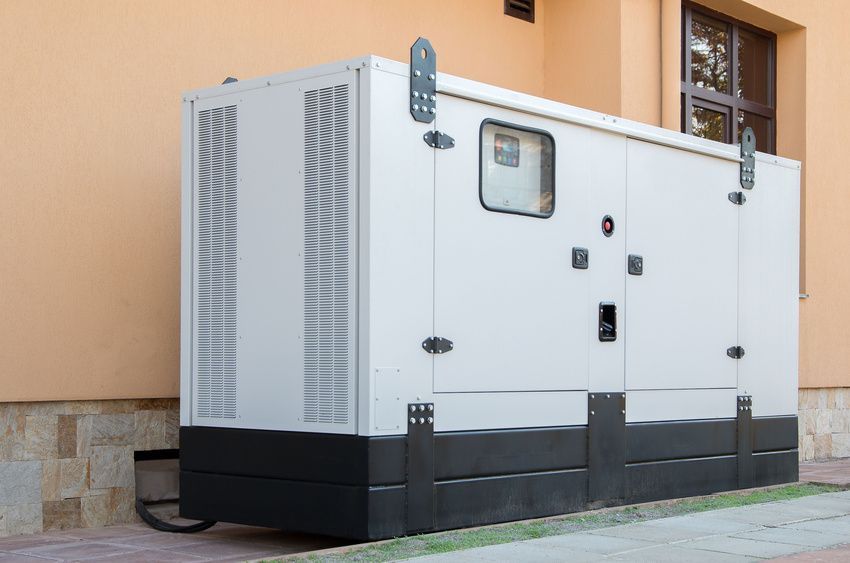
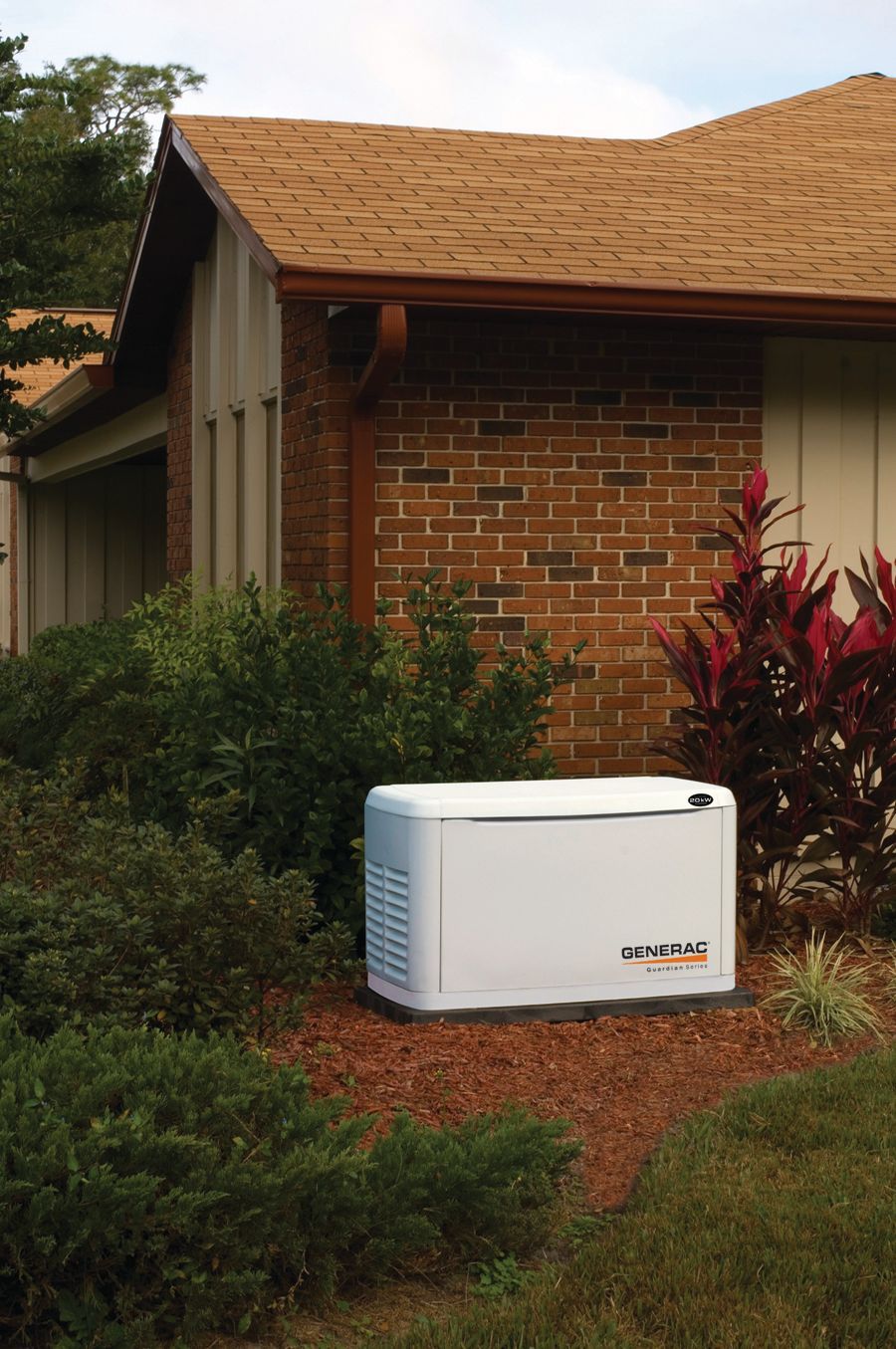
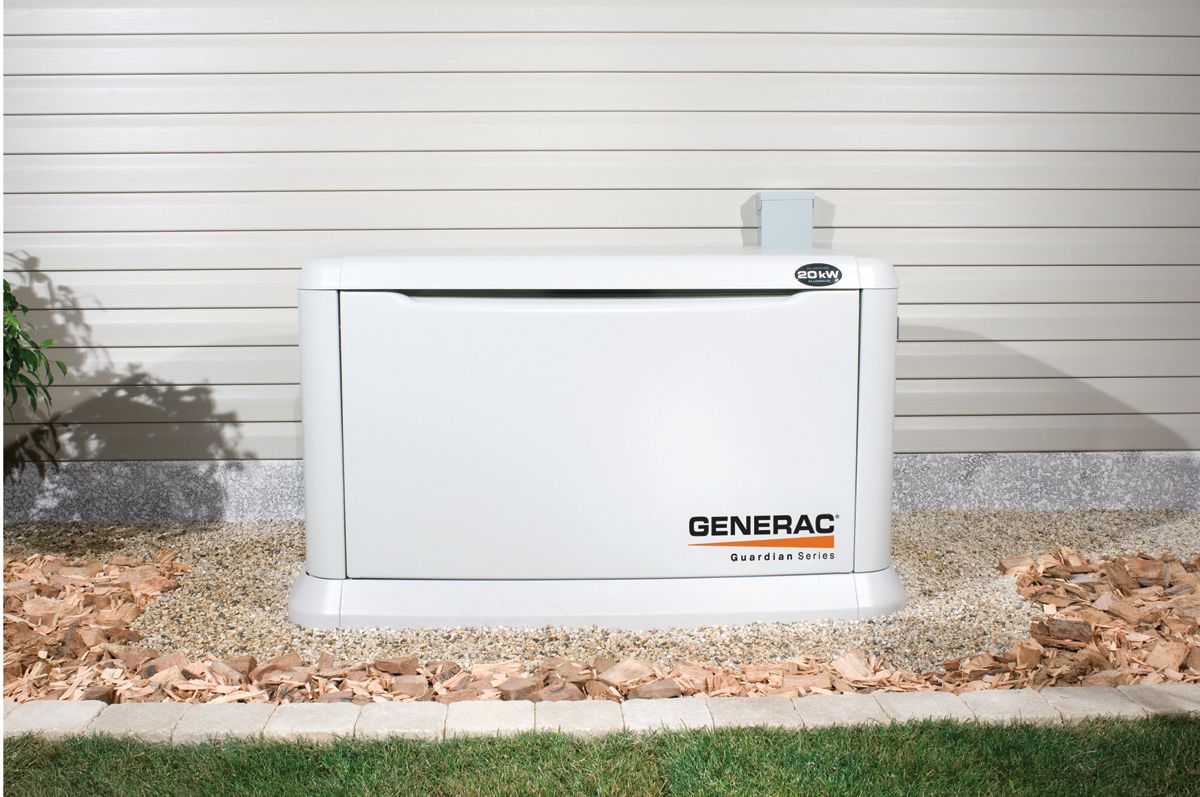
A generator's location affects safety and usability. Standby equipment needs a stable base and adequate clearance from building openings, combustible materials, and neighboring properties. Manufacturer instructions and local codes determine placement requirements for each model and site.
Exhaust is another critical consideration. Generators produce carbon monoxide, a colorless, odorless gas that can cause serious illness or death. Outdoor equipment must remain outside and be positioned so exhaust cannot enter a home, garage, crawl space, or other enclosed area. A generator should never run inside a building or enclosed space.
Qualified generator installers evaluate airflow, exhaust direction, service access, noise, and nearby openings before confirming a location. They can explain why carbon monoxide alarms matter while emphasizing that alarms do not replace proper placement and operation.
Managing Fuel Connections and Operating Requirements
A generator's fuel supply must match the equipment and property conditions. Depending on the model, it may use natural gas, propane, diesel, or gasoline, each with different supply, handling, and maintenance considerations. Correct installation helps reduce the risk of leaks, fire, interrupted operation, or equipment damage.
Generator installers coordinate fuel connections with qualified professionals and follow manufacturer specifications and applicable codes. For permanently installed units, they may confirm the supply can meet demand without affecting other appliances. Fuel storage, shutoff access, line sizing, and inspections also require attention.
Supporting Efficiency Through Correct Configuration
A generator works more effectively when its capacity and configuration match the loads it must support. Connecting too many circuits can push the system beyond its intended range, while an oversized setup may mean paying for rarely used capacity. Thoughtful circuit selection and load management align performance with practical priorities.
According to Fortune Business Insights, the U.S. generator sales market is expected to reach USD 10.26 billion in value by 2032, reflecting continued interest in backup power. Appropriate equipment selection and professional installation help ensure a system meets actual needs.
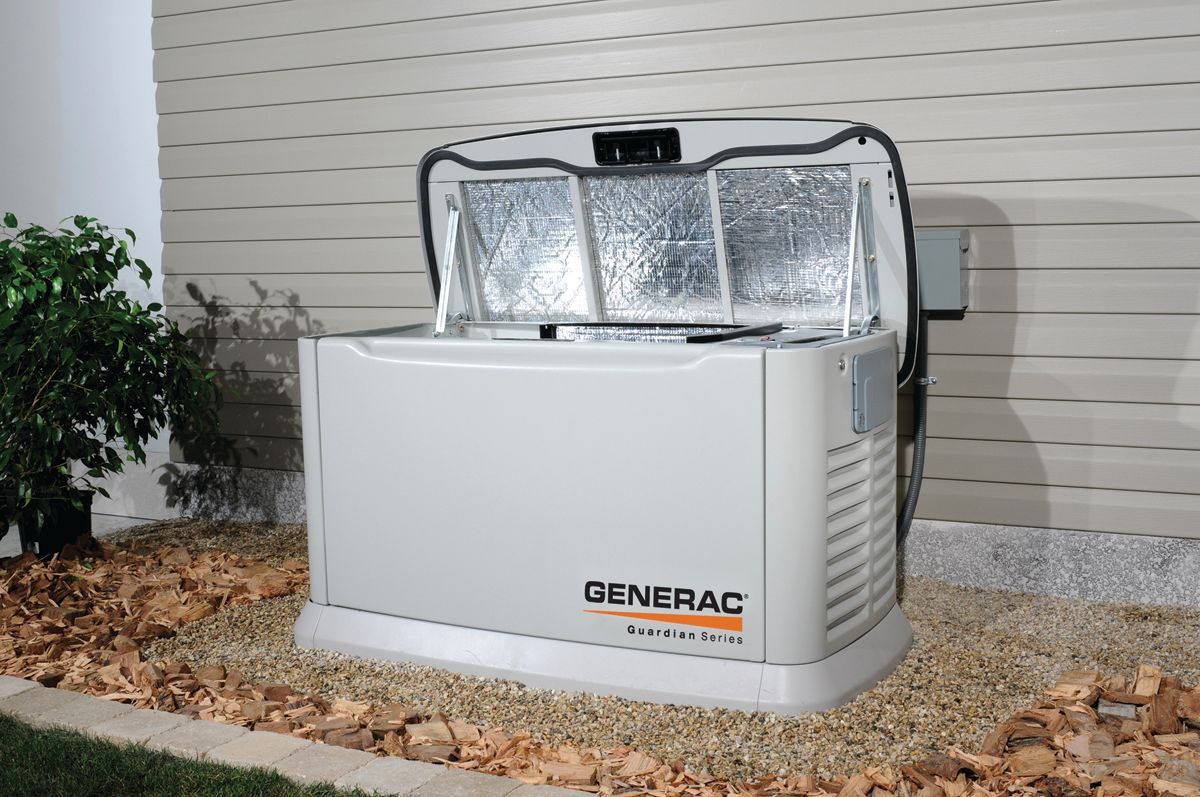
Professional generator installers test whether the system starts, transfers power, and returns to standby correctly. Technicians verify the transfer sequence, review settings, and identify concerns before an outage. Depending on the model, monitoring features may help owners respond to alerts and arrange maintenance.
Efficiency also involves minimizing unnecessary wear, avoiding preventable service calls, and ensuring the generator is ready when required. Correct setup, testing, and timely maintenance support dependable operation over the equipment's service life.
Preparing for Seasonal Outages and Routine Maintenance
Backup power planning is most useful before severe weather arrives. Autumn may bring winds and cold snaps, winter snow and ice can delay service visits, and warmer months may bring thunderstorms and heat waves. A seasonal review gives property owners time to address concerns before an outage.
Maintenance follows manufacturer recommendations and may include inspections, system testing, battery assessment, fluid checks where applicable, and review of electrical and fuel connections. The schedule depends on equipment type and operating conditions. Skipping maintenance can leave an owner unaware of a weak battery or component that affects startup.
Generator installers can explain service intervals and warning signs that require professional attention. Maintenance cannot prevent every failure, but it helps identify issues and improve readiness.
Selecting a provider involves more than comparing prices. Look for appropriate licensing, insurance, relevant experience, and familiarity with the generator type. Ask how the provider handles permits, inspections, commissioning, and coordination with other trades.
A reliable provider should explain the proposed system, identify what is included in the estimate, discuss scheduling, and answer warranty questions.
Ask whether support is available after installation and how service appointments are arranged. Because a generator is a long-term investment, access to qualified maintenance can be as important as the initial work. Owners should receive operating information and know how to report a warning or performance concern.
Professional coordination of electrical, mechanical, placement, and operating requirements helps protect people and property while supporting a system that is practical to maintain.
For help planning backup power, contact Electrical Services Plus Inc to discuss your property's needs, explore suitable generator options, and schedule professional installation.