August 28, 2026
Generators serve as essential utilities for residential, commercial, and industrial facilities, supplying power during grid outages. System reliability remains the core requirement for emergency energy solutions, making professional generator installers critical to long-term success. Licensed contractors bring technical precision to every project phase, protecting property owners against power loss. Careful planning dictates whether a backup system operates smoothly during severe weather.
Maintaining reliable power delivery begins long before machinery arrives on site. Experienced generator installers start each project by evaluating energy needs and site constraints. Customizing the backup solution enhances equipment efficiency, extends service life, and guarantees rapid response during blackouts. By guiding clients through selection, compliance, site prep, and routine maintenance, professional contractors build resilient energy infrastructures.
Assessing Initial Client and System Requirements
Determining energy requirements requires clear communication with clients to establish expectations. Technicians evaluate daily demands, essential appliances, and heavy electrical machinery to establish minimum coverage needs. Tailoring power systems to usage patterns creates dependable backup solutions without risking equipment overloading. Direct discussion during early planning establishes technical goals and prevents costly misunderstandings.
Comprehensive assessments look beyond immediate demands to anticipate future expansion. Planning for building additions, operational changes, or added equipment prevents premature system obsolescence. Technicians evaluate outage patterns, life-safety requirements, and business continuity goals to design appropriate backup systems. This evaluation ensures installed equipment performs reliably throughout its service life.
Accurate load calculations form the foundation of proper equipment sizing, preventing efficiency losses from miscalculated capacity. Specialists calculate starting wattage, continuous running requirements, and peak surge demands for connected circuits. Industry analysis indicates that commercial and industrial operations represented the largest market portion, capturing 35% in 2024, according to Precedence Research. Rigorous load balancing protects electronics, minimizes fuel waste, and ensures operational resilience.
Selecting the Ideal Backup Generator
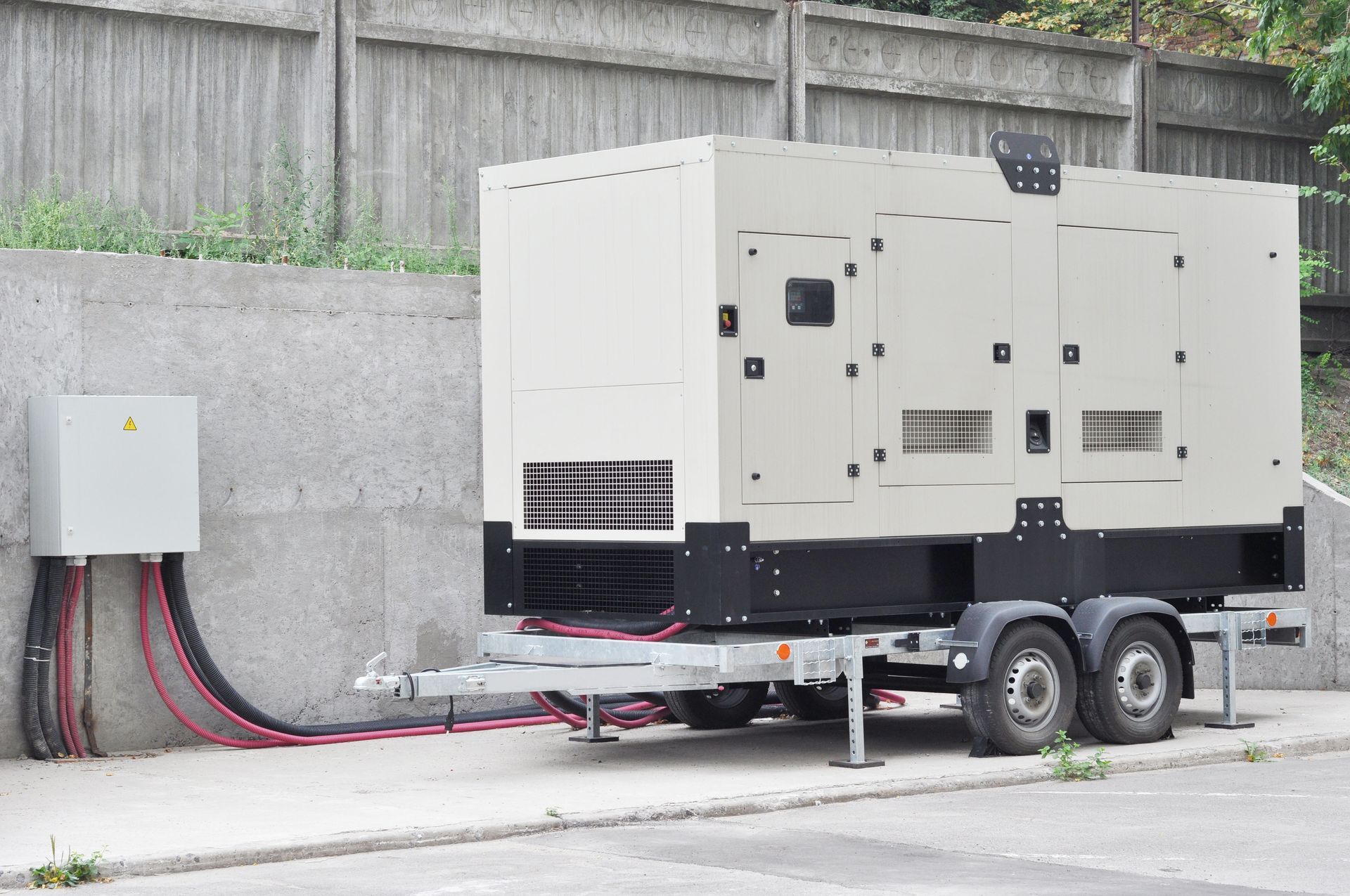
Selecting proper equipment requires evaluating unit types, capacities, and fuel options tailored to site conditions. Expert generator installers educate clients on key differences between portable units, standby systems, and commercial models. Matching operational demands with appropriate equipment designs avoids mechanical stress. Professional advice helps clients navigate complex specifications to choose reliable systems that deliver power quality.
Evaluating manufacturer reputation and warranty coverage remains crucial when selecting hardware. Established manufacturers provide tested components, replacement parts, and support networks. Qualified contractors partner with trusted brands to guarantee clients receive full warranty protection and post-installation servicing. Selecting reputable brands minimizes downtime by ensuring rapid access to repair specialists.
Determining fuel sources involves balancing operating costs, fuel availability, and environmental regulations. Natural gas, diesel, and liquid propane options present distinct advantages regarding storage, runtime, and emissions standards. Professional guidance helps facility owners analyze fuel infrastructure, storage safety codes, and operating budgets. Incorporating digital control panels enhances performance through automated tracking and remote alerts.
Navigating Regulatory Standards and Municipal Permitting
Strict regulatory compliance ensures every installation meets federal, state, and municipal safety mandates. Dedicated generator installers verify that electrical connections, transfer equipment, and structural mountings comply with national electrical codes. Navigating municipal zoning ordinances and permit applications avoids costly fines, legal delays, and mandated modifications. Adhering strictly to technical codes guarantees operational safety for occupants, property, and grid infrastructure.
Environmental regulations govern fuel storage tanks, exhaust emissions, and operational noise thresholds in commercial and residential zones. Qualified installers implement approved containment systems, sound-attenuating enclosures, and compliant exhaust piping. Meeting local environmental codes protects surrounding communities while preventing regulatory penalties for owners. Staying current on evolving environmental legislation ensures installations remain fully compliant throughout their operational life.
Translating technical assessments and regulatory requirements into detailed proposals provides clients with complete financial transparency. Professional contractors create proposals outlining hardware costs, permit fees, site preparation, and labor expenses. Detailed financial outlines eliminate unexpected expenses, establishing clear expectations between clients and contractors before work begins. Clear contract terms build trust while ensuring projects remain within established fiscal parameters.
Preparing the Physical Installation Site
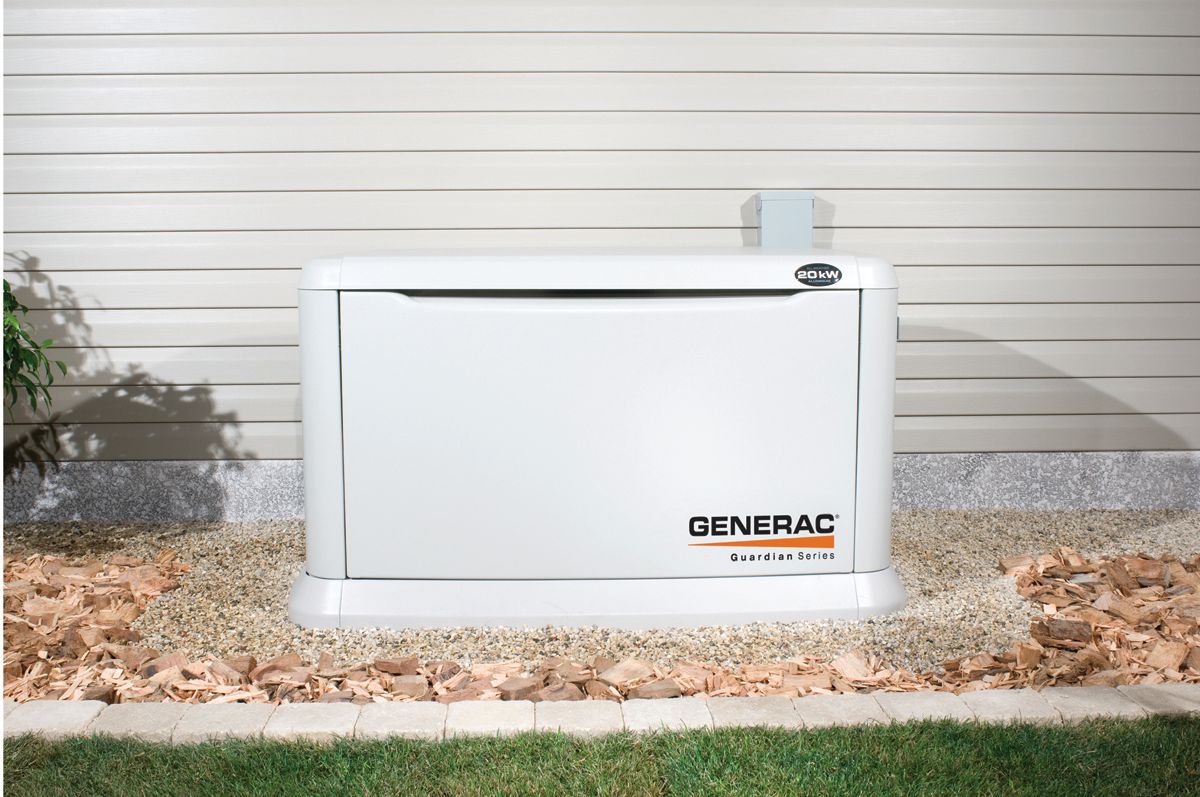
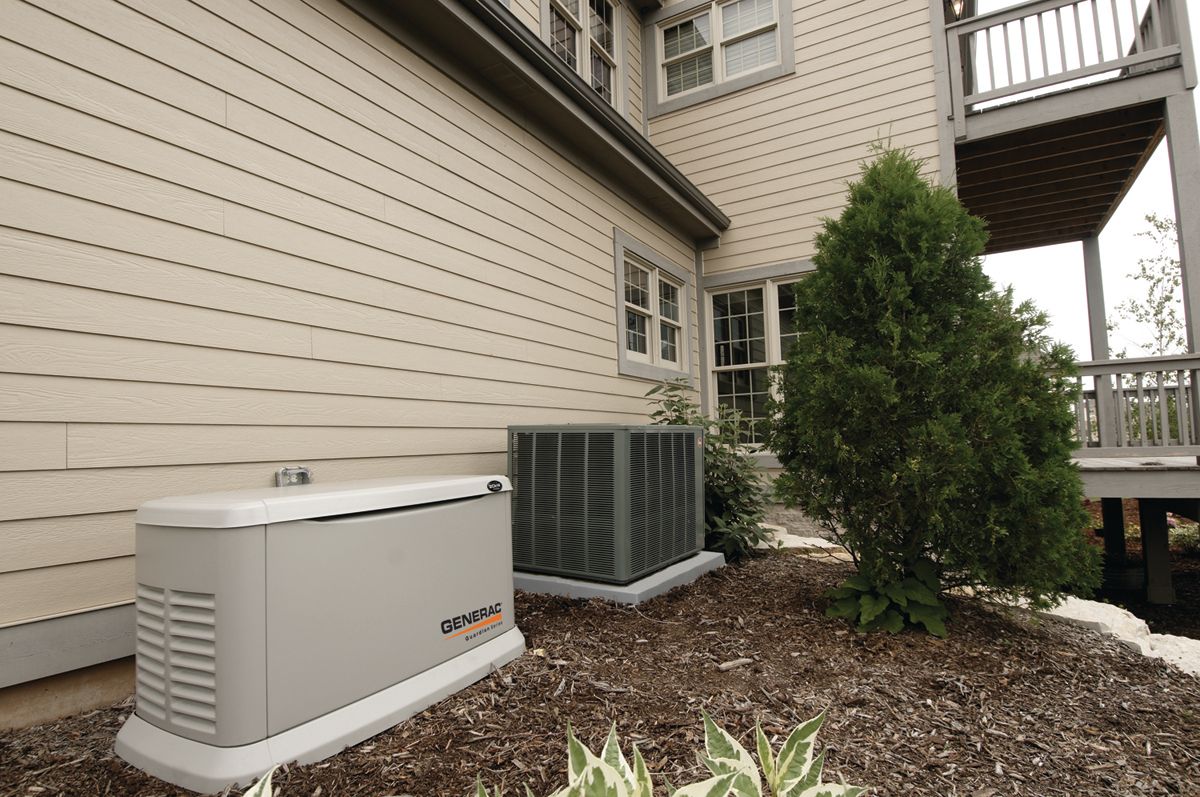
Site preparation establishes a secure, code-compliant foundation capable of supporting heavy power machinery. Technical teams survey terrain, structural access points, and building clearances during initial site walks. Positioning equipment away from flood hazards, exhaust pathways, and structural openings protects equipment and occupants. Proper positioning ensures easy access for maintenance, refilling operations, and service calls.
Engineers and site crews collaborate to construct durable reinforced concrete pads designed to handle vibration and heavy weight. Specialized generator installers pour engineered concrete foundations that isolate equipment vibration, reducing noise transmission into adjacent structures. Proper elevation safeguards mechanical components against standing water, weather accumulation, and soil erosion. Meticulous structural preparation creates a stable foundation that prolongs machinery life.
Coordinating logistics across material suppliers, concrete contractors, and municipal inspectors prevents project delays. Professional teams manage delivery timelines, heavy lifting equipment, and utility shutoffs to ensure efficient site execution. Streamlined coordination minimizes operational disruption for active businesses and residential properties during construction. Systematic project management ensures structural elements are fully prepared prior to machinery positioning.
Executing Electrical and Mechanical Integration
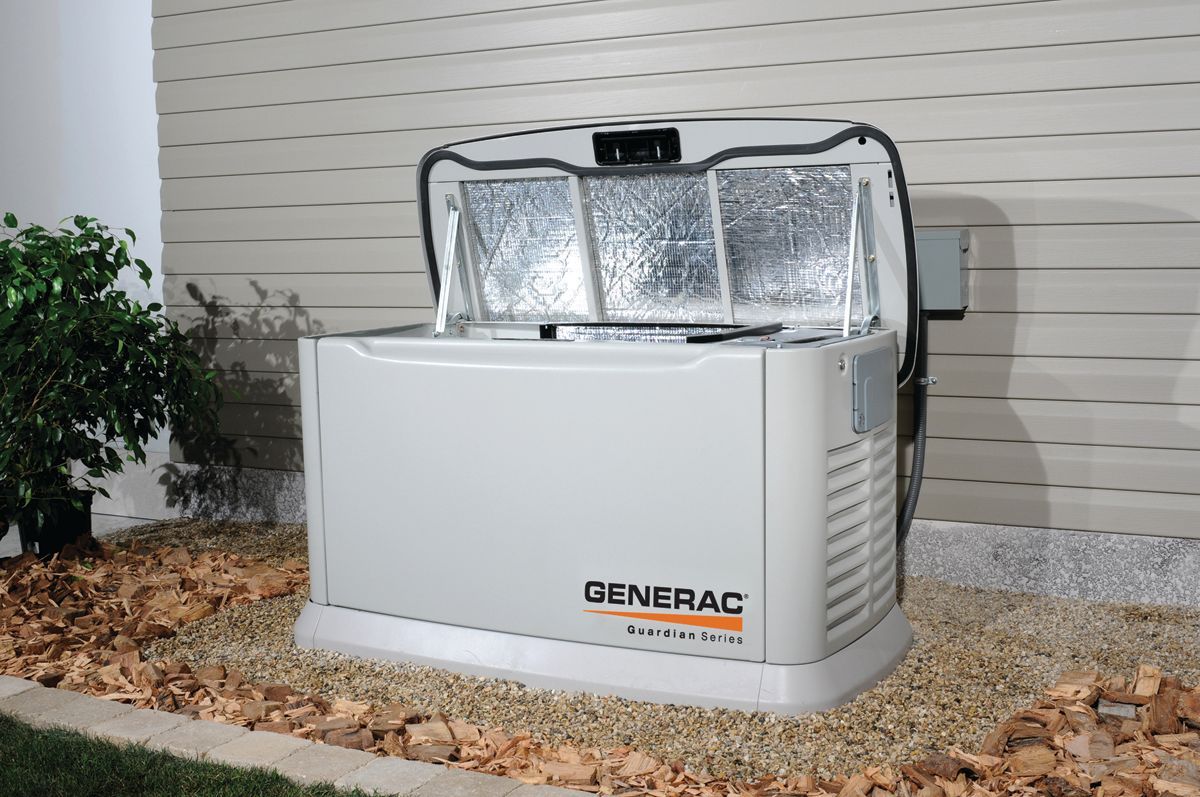
Physical installation begins with positioning the power unit on its prepared foundation and securing heavy mounting anchors. Licensed generator installers integrate automatic transfer switches into primary electrical panels to enable seamless emergency power transition. Automatic transfer switches isolate backup power from utility lines, preventing dangerous backfeeding that threatens line workers. Precise electrical integration ensures smooth power restoration whenever utility grids fail.
Mechanical integration requires connecting fuel lines, exhaust piping, and cooling airflow pathways according to safety codes. Technicians verify fuel line pressure, install safety shutoff valves, and configure adequate ventilation to prevent engine overheating. Proper airflow design guarantees efficient engine cooling and prevents toxic gas from accumulating near occupied structures. Sound installation practices maximize thermal efficiency while safeguarding building safety.
Thorough post-installation testing confirms that every electrical and mechanical sub-system operates according to manufacturer specifications. Qualified technicians conduct load testing to verify voltage stability, engine performance, and thermal management under full capacity. Simulating utility power outages tests automatic transfer switch response times, confirming backup power initiation. Complete diagnostic testing validates system reliability before final handover to the client.
Maintaining Operational Integrity and Ongoing Support
Client education and hands-on system orientation form an essential component of professional installation services. Experienced teams train facility managers and homeowners on manual control overrides, digital status displays, and basic safety procedures. Providing clear operational instruction empowers users to handle minor alerts confidently without compromising safety. Informed operators play an active role in maintaining equipment readiness between scheduled maintenance visits.
Scheduled preventive maintenance contracts preserve equipment reliability and prevent sudden mechanical failures. Routine service visits include engine oil replacement, filter changes, battery health checks, and coolant system testing. Skilled generator installers identify minor wear early, replacing compromised parts before major power outages occur. Dedicated maintenance plans extend equipment operational life while guaranteeing emergency readiness at all times.
Integrating modern remote monitoring software enables continuous digital oversight of generator operational status. Smart diagnostic systems send real-time alerts regarding battery charge, fuel levels, and maintenance needs directly to technicians. Remote monitoring allows service crews to troubleshoot potential issues proactively before failure occurs. Comprehensive ongoing support ensures emergency power systems remain fully dependable whenever main utility grids collapse.
Investing in a backup generator provides crucial protection against unpredictable grid failures and financial losses. Professional generator installers combine technical expertise, regulatory knowledge, and installation standards to deliver dependable power solutions. From initial load assessments to continuous preventive maintenance, expert management ensures total system reliability. Partnering with experienced contractors guarantees high-performing emergency power backup for residential and commercial properties.
Securing continuous power requires specialized expertise and dedicated professional care for every phase of system installation. Relying on certified specialists guarantees compliant, safe, and efficient power systems designed to withstand severe weather events. Ensure your home or facility stays fully operational during unexpected blackouts by contacting us today at Electrical Services Plus Inc.