May 22, 2026
As power outages become more frequent due to unpredictable weather patterns and aging infrastructure, the importance of having a reliable backup power source has grown from a luxury to a modern necessity. The modern electrical grid is under more strain than ever before, and for many homeowners, the question is no longer if they will lose power, but when. This article evaluates the options consumers have between portable and standby generator systems, analyzing the benefits, drawbacks, and deep technical considerations associated with each.
Consumers are often faced with a significant dilemma: choosing a system that fits their immediate budget while simultaneously meeting their specific, high-demand power needs. Understanding the nuanced differences between portable and standby generators-ranging from fuel delivery methods to automated response capabilities-is essential for making a sound investment. Each type of generator offers unique features tailored to address various electricity-related challenges, whether you are seeking a weekend camping companion or a permanent "shield" for your home's critical systems.
Understanding Portable Generators
Portable generators are versatile, self-contained machines designed to provide temporary electrical power. They are generally powered by liquid fuels such as gasoline or diesel, though newer models frequently offer propane or "dual-fuel" capabilities. Because they are equipped with wheels and handles, they can be moved around easily, making them ideal for temporary needs.
These generators come equipped with a series of standard power outlets on the side of the unit, allowing users to connect electrical appliances or charge devices directly via extension cords. The compact size and ease of transportation make portable generators a favorite for emergency preparedness, outdoor events, or remote construction sites. Typical features include a durable internal combustion engine, a manual or electric start button, and user-friendly interfaces designed for quick deployment.
Flexibility and Technological Integration
One of the primary appeals of portable generator sales is their inherent flexibility. They can be utilized in almost any location, provided there is adequate ventilation and a steady fuel supply. Many modern models now incorporate noise-reduction technology, such as specialized mufflers and insulated casings, making them far more suitable for residential neighborhoods than the loud units of decades past.
Advanced models may also offer sophisticated features like "CO Sense" technology, which automatically shuts down the unit if carbon monoxide levels become dangerous. Other features like low-oil indicators and automatic voltage regulation (AVR) protect the engine and the sensitive electronics you plug into it. For consumers, matching these specifications to their unique environment-such as a quiet cul-de-sac versus a loud job site-is key to maximizing the unit's utility.
The price point for portable generator sales varies depending on power output and features, but they are almost always the more affordable entry point for backup power. They are accessible for budget-conscious buyers who need protection but cannot justify the high five-figure investment of a permanent system. Considering that portable units require zero initial installation costs, they remain the dominant choice in global markets.
Advantages of Portable Generators
The most obvious advantage of a portable generator is its mobility. These units can be shared between families, taken to a vacation cabin, or used to power tools at the back of a large property. When not in use, their compact footprint allows them to be stored conveniently in a garage or shed. This is especially beneficial for homeowners who may only experience one or two outages a year and do not want a permanent fixture taking up space in their landscaping.
Portable generator sales are essentially "plug-and-play." They do not require a professional electrician or plumber for basic operation, provided you are using extension cords to power individual items. This ease of use is vital for users who may not have the technical knowledge or the time to deal with complex permitting and installation. For those who want a more integrated feel, a simple manual transfer switch can be installed, allowing the portable unit to power specific home circuits through a single cord.
Affordability extends beyond the sticker price. Maintenance and operational costs are generally lower for portable units because they are only run when strictly necessary. There are no monthly "exercise" cycles or professional service contracts required. For occasional users, the economic benefits are undeniable, offering a high "peace of mind per dollar" ratio.
Understanding Standby Generators
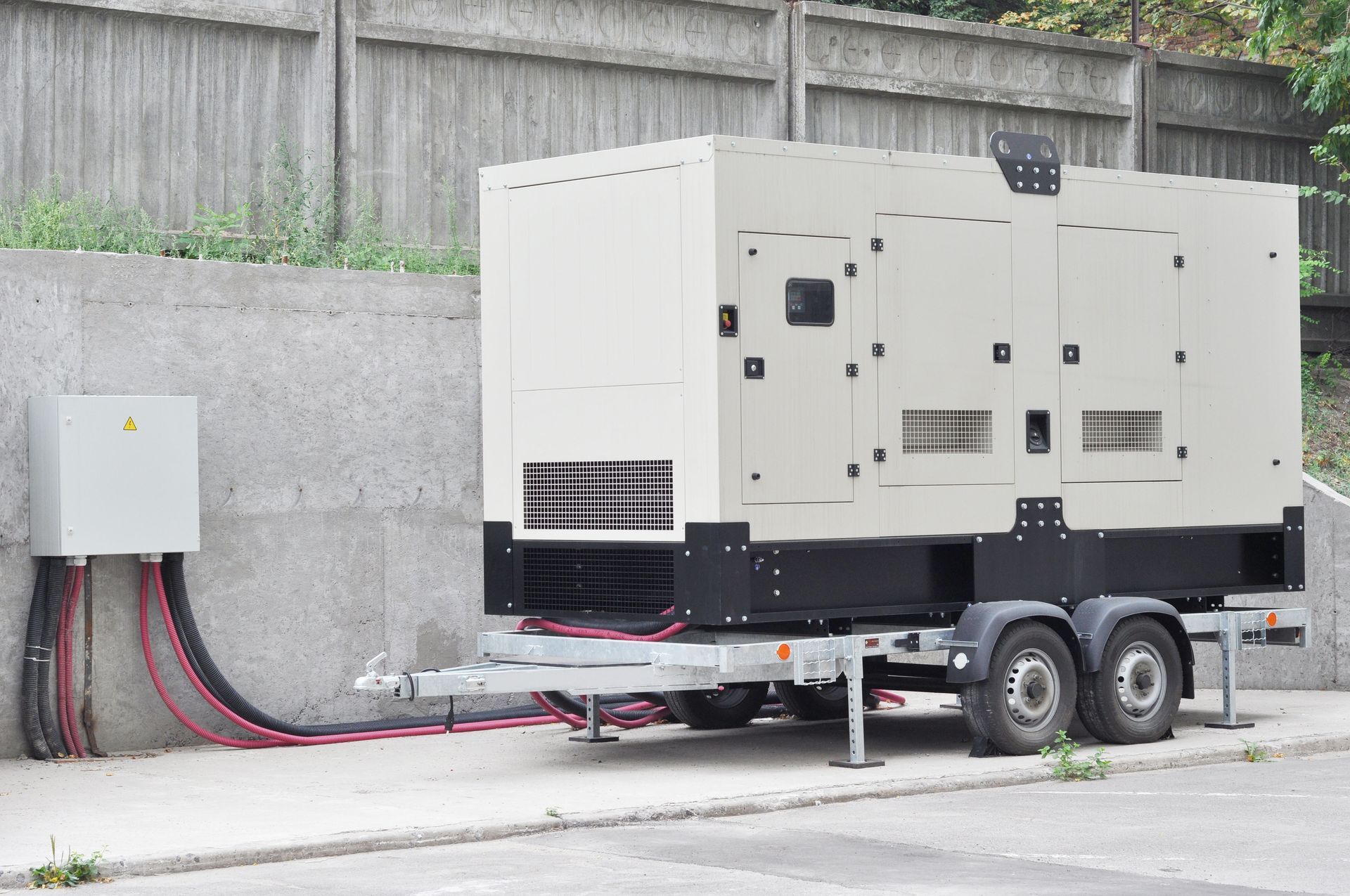
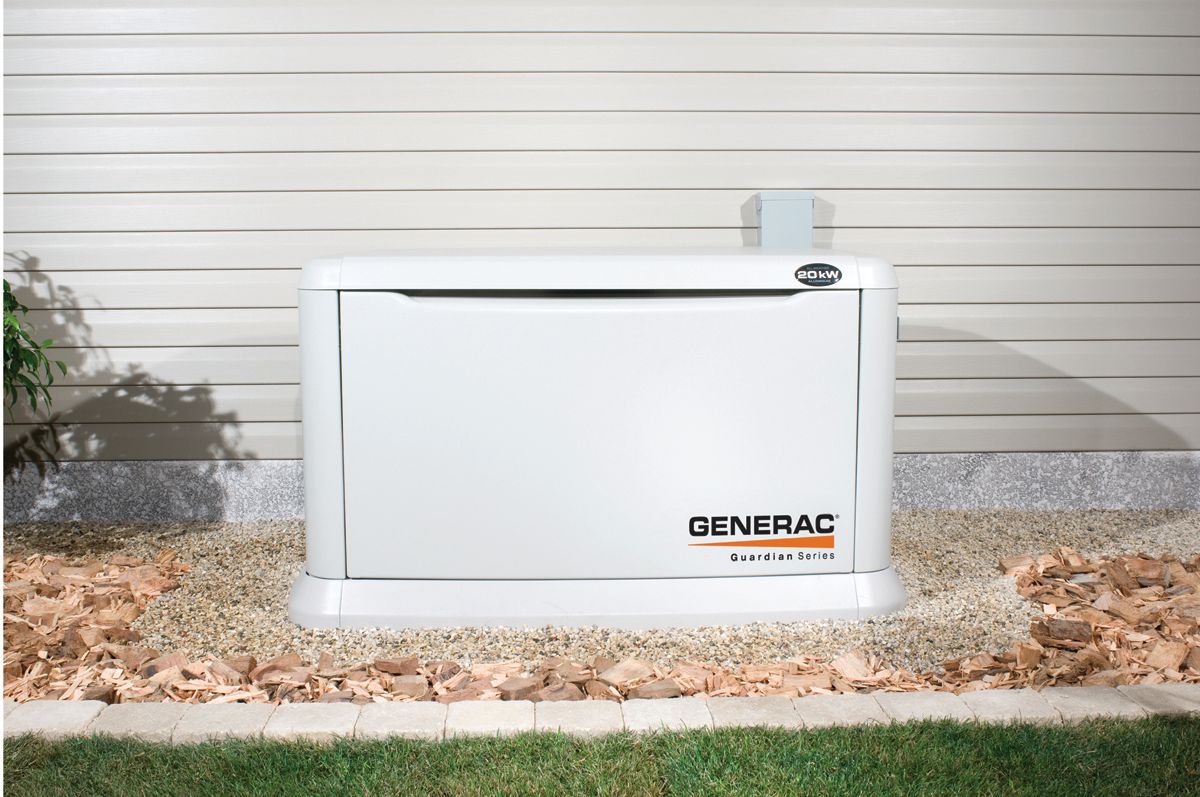
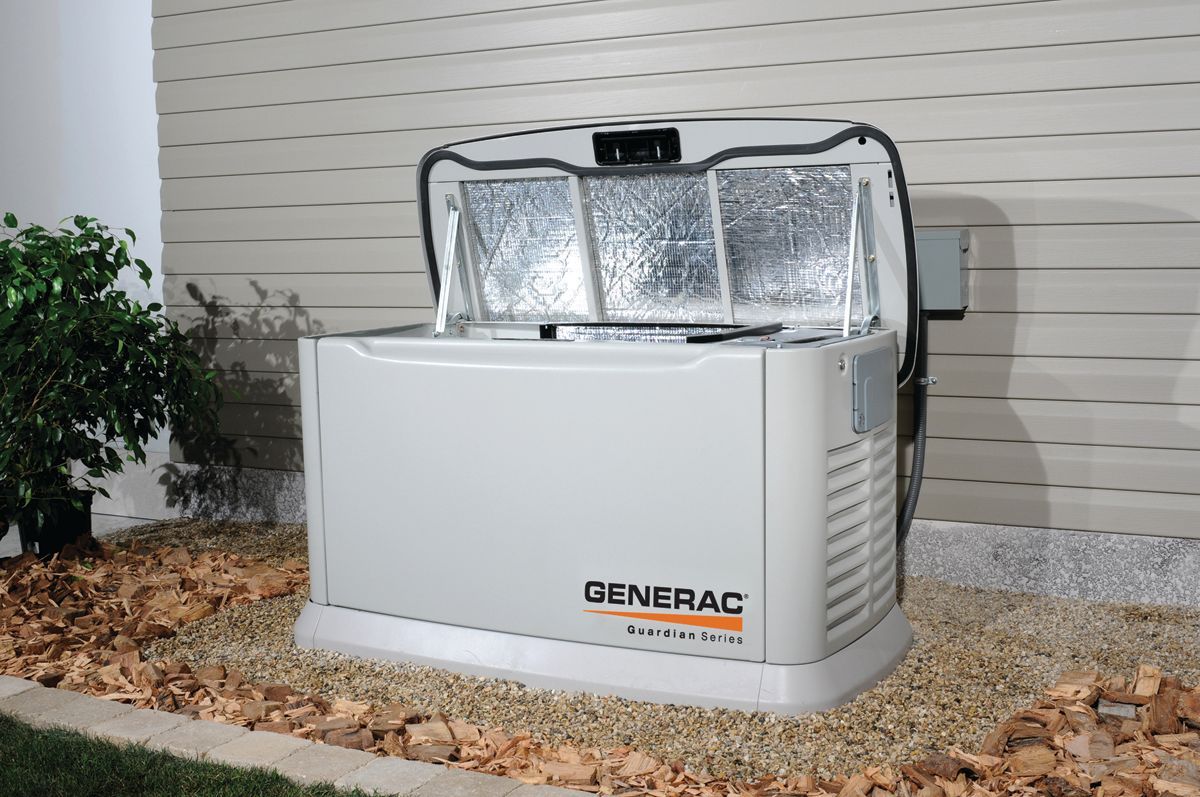
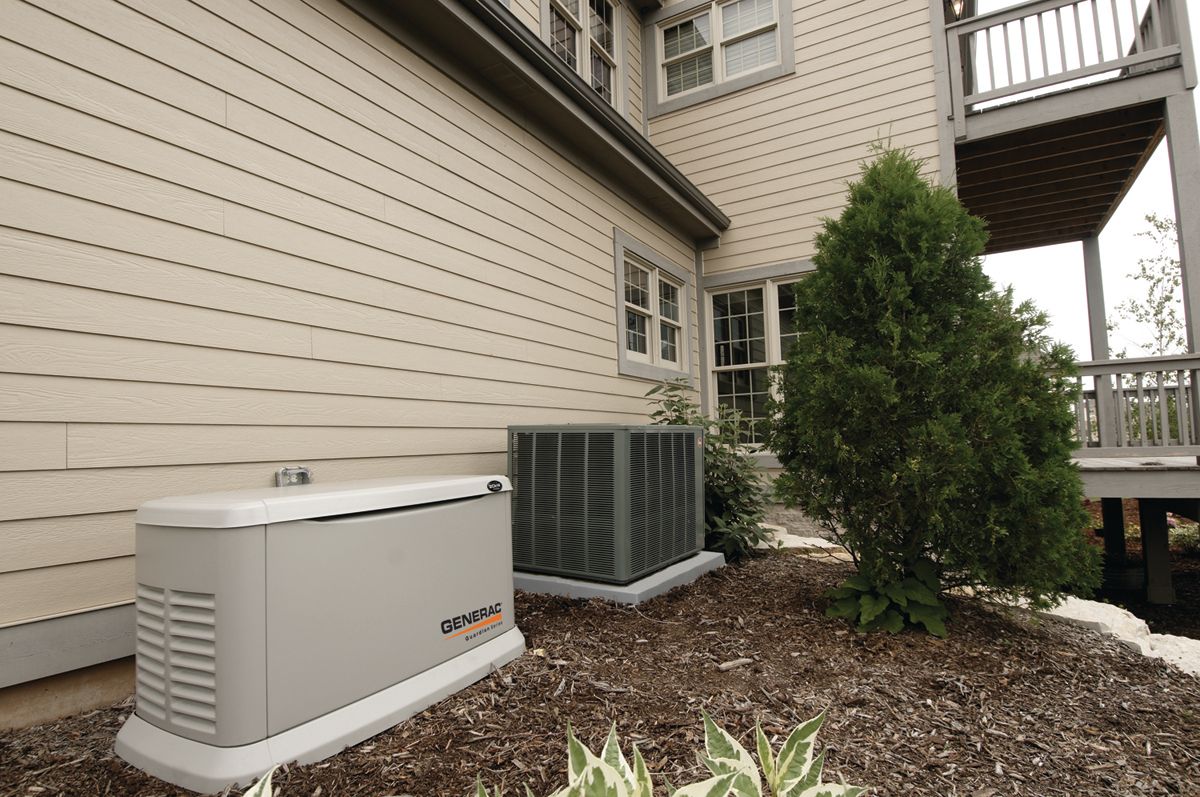
Standby generator sales are permanently installed, stationary systems designed to provide automatic, whole-home power backup. Unlike their portable counterparts, these units are integrated directly into the home's electrical system and fuel supply (usually natural gas or a large liquid propane tank). They are housed in weather-protective enclosures and sit on a concrete or gravel pad outside the home, much like a central air conditioning unit.
The "brain" of a standby system is the Automatic Transfer Switch (ATS). This switch monitors the utility power 24/7. When it detects a drop in voltage or a total failure, it signals the generator to start and then automatically disconnects the home from the grid while connecting it to the generator. This process usually happens in under 20 seconds, often before the homeowner even realizes the neighborhood has lost power.
Advantages of Standby Generators
The primary advantage is the lack of human intervention. You do not have to go outside in a storm, pull a heavy machine out of the garage, or fumble with fuel cans in the dark. This is a critical safety feature for elderly homeowners or those with medical conditions who cannot physically manage a portable unit.
Standby generator sales are designed to handle "heavy lifts." They can power central air conditioning, well pumps, electric ovens, and water heaters simultaneously. This allows life to continue as normal during an outage, which is a significant psychological and practical benefit during multi-day grid failures.
A standby generator is an asset that increases the resale value of a home. Built with automotive-grade engines and robust enclosures, they are designed to last 20 to 30 years. They also perform a self-test or "exercise" cycle every week to ensure the battery is charged and the engine is lubricated, providing a level of reliability that a portable unit tucked away in a corner simply cannot match.
Cost Considerations: A Long-Term Perspective
While a portable generator might cost between $500 and $2,500, a standby system typically starts at $3,000 for the unit alone, with installation often doubling that figure. However, one must consider the "hidden" costs of power loss. For a business, a standby generator prevents thousands of dollars in lost productivity. For a homeowner, it prevents the $10,000 cost of a flooded basement due to a failed sump pump or the total loss of a freezer full of food.
According to Global Market Insights, the North American home-standby market is projected to reach over $7.6 billion by 2034. This growth is driven by consumers who view the high upfront cost as a one-time insurance premium against an increasingly unreliable climate.
However, if you want a seamless, hands-free solution that protects your home or business 24/7-whether you are home or not-the standby generator is the superior choice. It is a permanent upgrade to your property's infrastructure that ensures you are never left in the dark. By evaluating your specific electrical loads and your local weather risks, you can choose the system that best guarantees your family's safety and comfort. Contact Electrical Services Plus Inc. for all your
generator sales needs!