April 21, 2026
When the power goes out, the question every homeowner wants answered quickly is whether their backup system can handle the full load of the house. Generac generators have earned a strong reputation as one of the most reliable names in residential power backup, offering a wide range of models designed to meet varying energy demands. Understanding what these generators can and cannot do — and how to choose the right one — is essential for any homeowner considering a whole-home power solution. This article breaks down everything you need to know to make a confident, informed decision.
Explore the Types of Generators
Generac generators come in several distinct categories, each suited to different needs and circumstances. Portable generators are the most accessible option, designed for convenience and short-term use. They are easy to transport, typically run on gasoline, and can power essential appliances during brief outages or outdoor activities. While portable units are not typically powerful enough to support an entire home independently, they provide a practical solution for immediate, limited power needs.
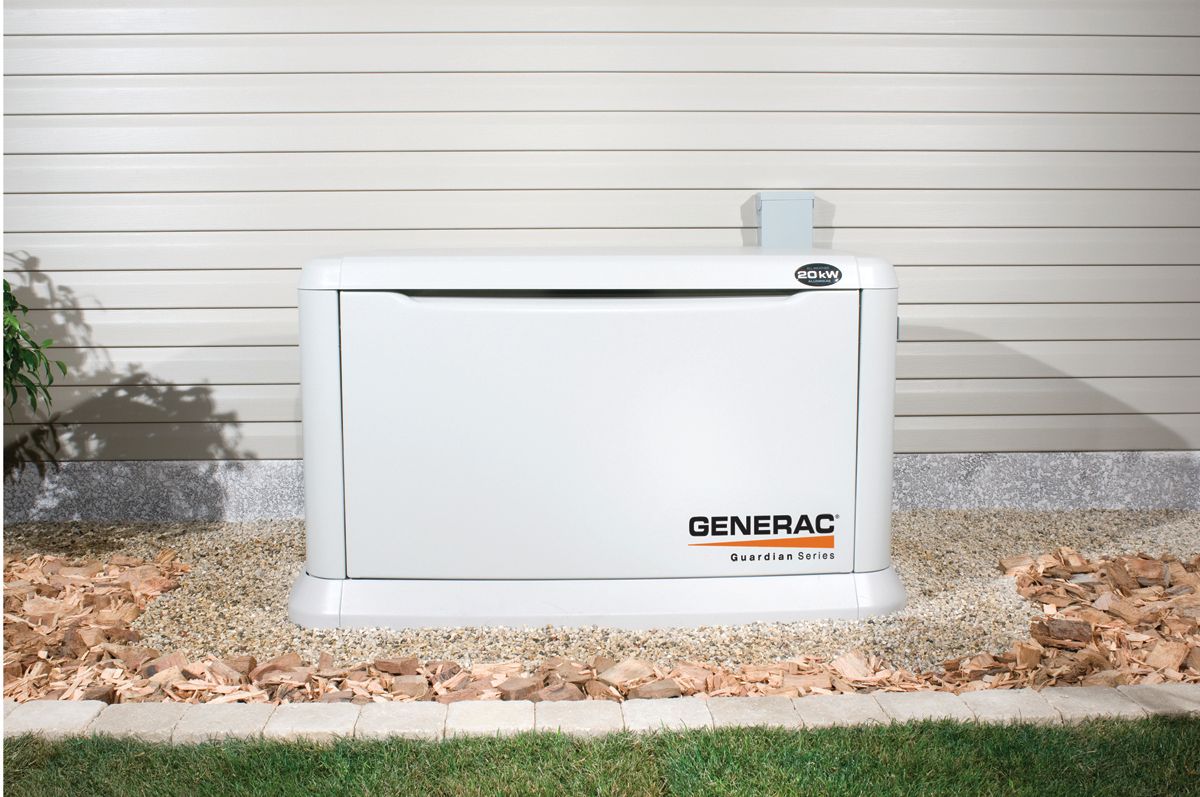
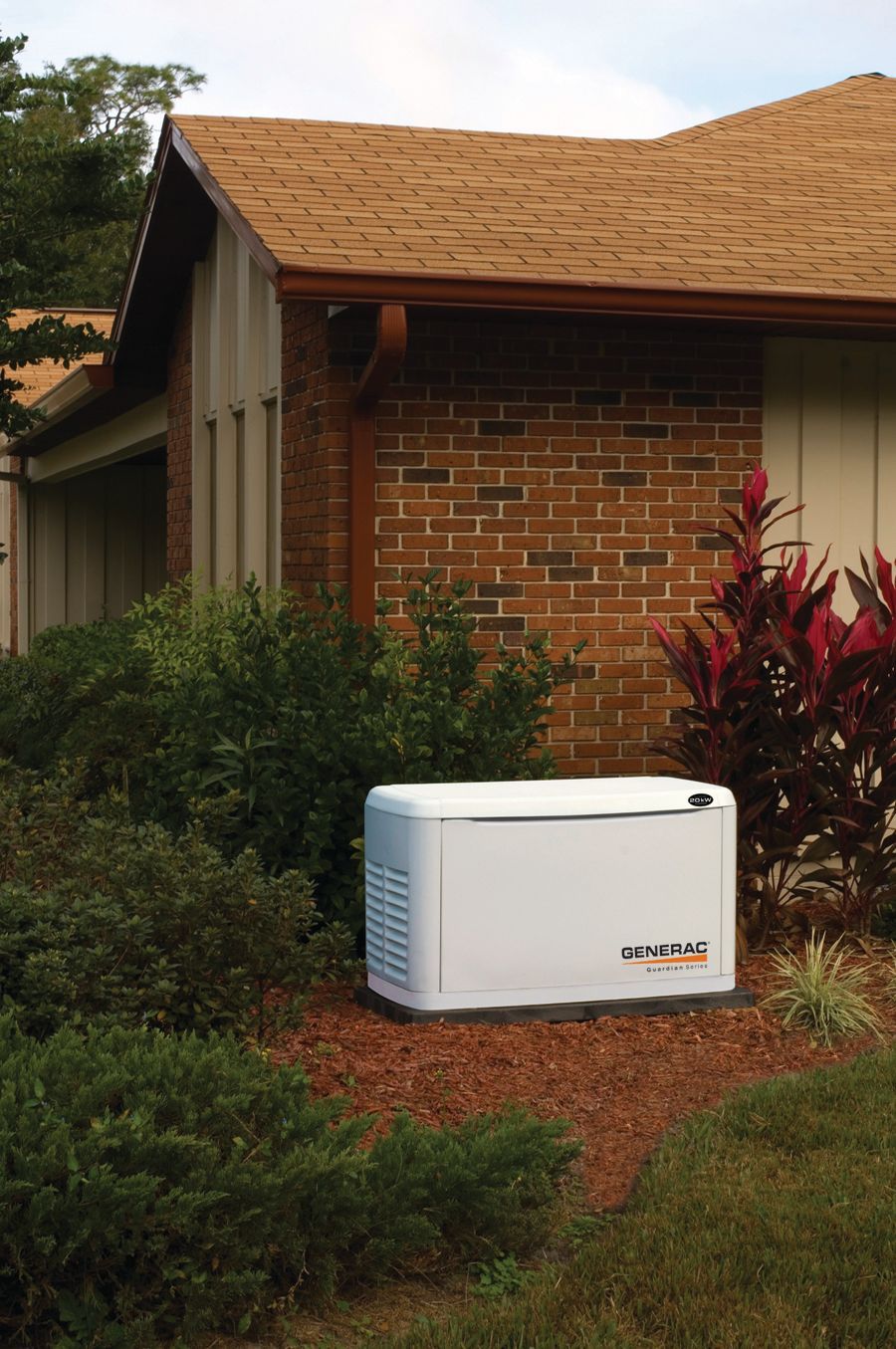
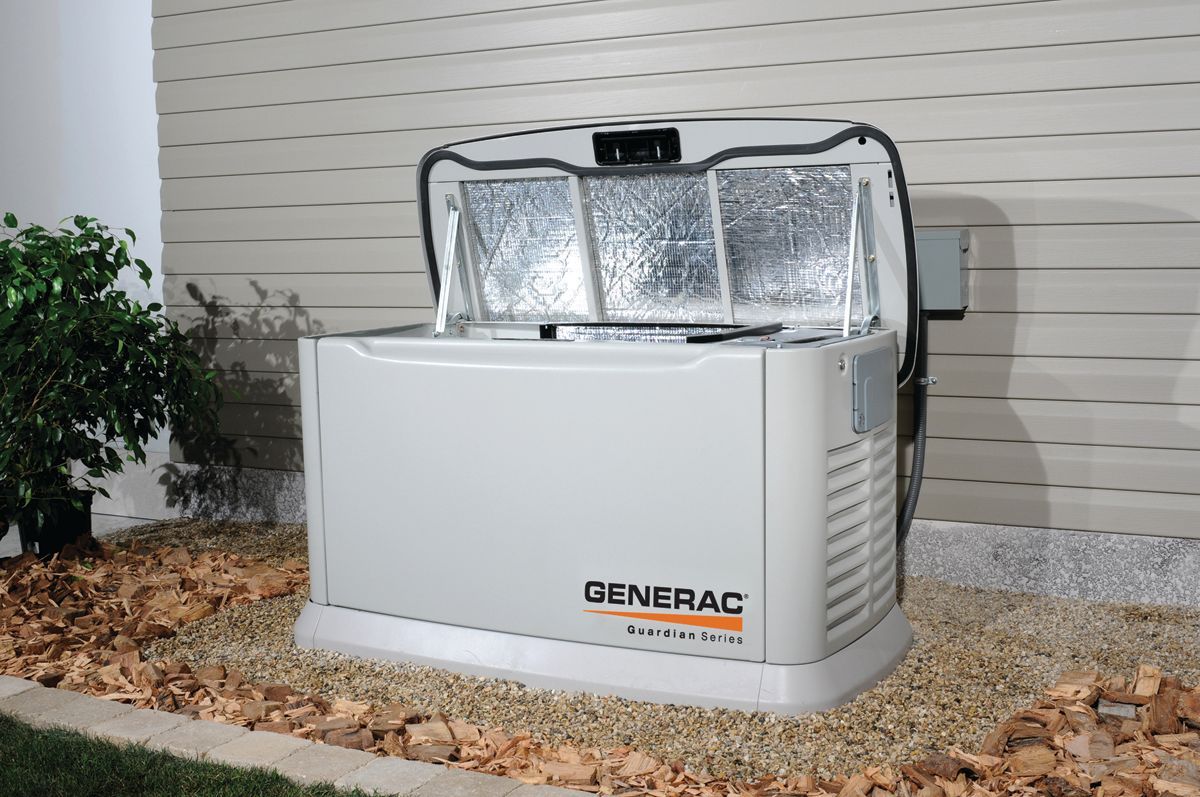
Standby generators represent the most capable option for whole-home power. These units are permanently installed and connect directly to a home's electrical system, automatically activating within seconds of a power failure. Powered by natural gas or propane, they operate without manual intervention and can sustain the full electrical load of a house for extended periods. Inverter generators occupy a middle ground, producing cleaner energy that is safe for sensitive electronics and operating more quietly and efficiently than conventional models — though their output is generally lower, making them better suited for select appliances rather than whole-home coverage. For homeowners serious about whole-house backup, standby generators are the clear front-runner.
Understand Power Capacity and Home Requirements
Before selecting a generator, homeowners need a clear picture of their household's total electrical load. This involves tallying the power requirements of every appliance and system in the home — from HVAC units and water heaters to refrigerators, lighting, and electronics. Each device carries its own wattage rating, and the sum of these figures determines the minimum capacity a generator must deliver. Failing to account for the full load can result in a unit that is underpowered and unable to sustain essential functions during an outage.
It is also important to distinguish between peak power and continuous power ratings. Peak power refers to the brief surge a generator can produce when appliances first start up, while continuous power reflects the steady output it can maintain over time. Both figures matter when evaluating whether a generator can handle a home's demands. According to Bob Vila, a generator rated between 26 and 32 kW is generally sufficient to meet the energy needs of a typical home, providing enough capacity to keep essential systems and appliances running reliably throughout an outage. For larger residences with more extensive systems, higher-capacity generators or multiple synchronized units may be necessary to cover the full scope of power demands without overloading any single unit.
Consider Key Installation Factors
Proper installation is just as important as choosing the right generator. Standby Generac generators must be installed by a qualified professional to ensure compliance with local building codes and safety standards. Professional installation reduces the risk of operational errors, ensures correct integration with the home's electrical system, and provides confidence that the unit will perform as expected when it matters most. A licensed electrician will also install a transfer switch, which prevents the generator and utility power from running simultaneously — a critical safety measure that protects both the home and utility workers.
Site selection plays an equally important role in the installation process. The generator should be placed on a level surface, positioned close to the fuel source and electrical panel to minimize complexity. Adequate clearance from walls and structures is necessary for proper ventilation and to prevent exhaust buildup. The site should also offer reasonable protection from extreme weather to extend the unit's operational lifespan. Before installation begins, homeowners should consult local authorities about required permits and any zoning regulations governing noise levels, fuel storage, or proximity to property lines. Addressing these requirements upfront prevents delays and ensures the installation proceeds smoothly and legally.
Maintain Your Generator for Long-Term Reliability
Even the most capable Generac generators will underperform if they are not properly maintained. Regular maintenance is the single most effective way to ensure a generator is ready to perform when a power outage strikes. Scheduled service should include checking oil and coolant levels, inspecting the fuel system, testing the battery, and examining belts and hoses for wear. Many standby generators are equipped with self-diagnostic features that run automatic weekly tests, but these should be supplemented with professional inspections on a routine basis.
Keeping the unit clean and free of debris also contributes to consistent performance and prevents overheating. Neglecting maintenance allows small issues to develop into larger failures that could leave a home without power at a critical moment. Homeowners should keep a maintenance log and follow the manufacturer's recommended service intervals closely. Working with an authorized service provider ensures that any repairs or part replacements use components that meet Generac's specifications, preserving the unit's warranty and long-term dependability.
Evaluate Real-World Performance and Seasonal Demands
Real-world performance of Generac generators varies depending on the size of the home, the season, and local climate conditions. In smaller to medium-sized homes, a properly sized standby generator can seamlessly maintain heating, refrigeration, lighting, and other essential systems with no noticeable interruption. Homeowners in these situations consistently report high satisfaction, particularly during prolonged outages where the generator's automatic activation proves invaluable. Larger homes with more complex power demands benefit from higher-capacity models or multi-unit configurations that distribute the load efficiently across the property.
Seasonal factors also shape how much a generator is asked to deliver. Winter months place heavy demands on heating systems, while summer requires sustained power for air conditioning — both of which can draw significantly on generator capacity. In regions with harsh winters, cold-weather accessories may be needed to ensure reliable starts and smooth operation in low temperatures. Humid or wet climates call for reinforced protective housing, while dusty or arid environments require more frequent filter maintenance. Accounting for these seasonal and climatic variables when selecting and preparing Generac generators ensures dependable performance year-round, regardless of conditions.
Assess the Environmental Impact of Your Generator
The environmental footprint of a generator depends largely on the fuel it uses and the efficiency of its design. Traditional gasoline and diesel models produce higher carbon emissions, while natural gas and propane options offer a cleaner alternative with reduced environmental impact. Generac has been actively investing in research and development to advance more sustainable generator technologies, including hybrid models that integrate renewable energy sources such as solar panels. These innovations reduce reliance on fossil fuels while maintaining the power output homeowners depend on.
Responsible ownership also includes proper disposal and recycling of aging equipment. Many components of Generac generators, including metal parts and electronics, are recyclable, and working with certified facilities ensures these materials are handled appropriately. As battery technology and fuel cell innovations continue to advance, the future of residential power generation is moving toward cleaner, quieter, and more efficient solutions. Homeowners who stay informed about these developments will be well-positioned to upgrade their systems and reduce their environmental impact as better options become available.
If you are ready to protect your home with a dependable whole-house backup power solution, contact us at Generators Plus Co. today. We will help you find the ideal Generac generator for your home and ensure it is installed and maintained to perform at its best when you need it most.